Understanding the importance of fire safety training in Stockton can make a significant difference in protecting lives and property. Fire Safety Training Stockton goes beyond basic awareness, equipping individuals with crucial skills to respond effectively in emergencies. Mastering these skills not only enhances personal readiness but also contributes to the safety of others in the community. Investing in comprehensive fire safety training can be the key to preventing tragedy and ensuring a secure environment for everyone.
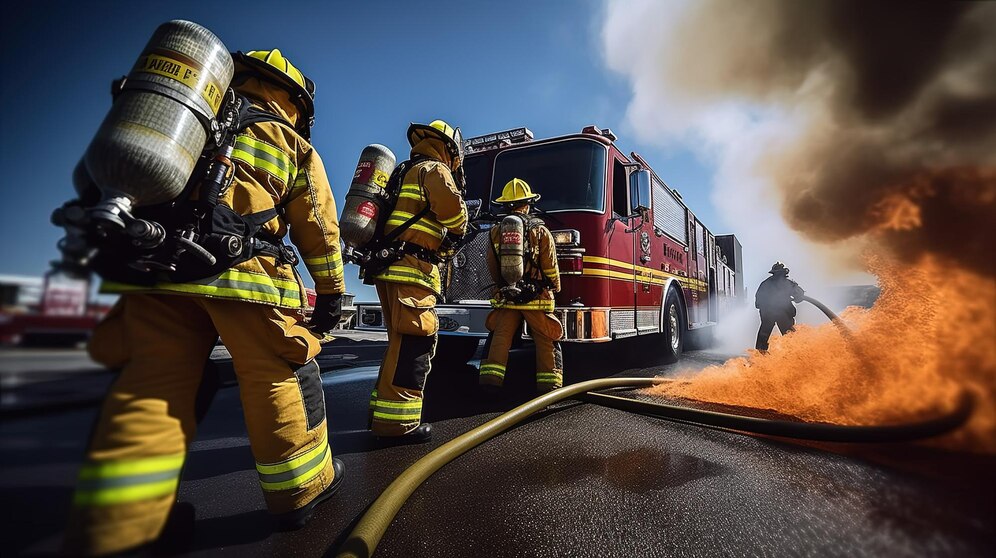
Enhancing Emergency Response Skills
Enhancing emergency response skills is crucial for effectively managing fire situations. By honing these skills, individuals become more adept at handling emergencies calmly and efficiently, ultimately saving lives and protecting property.
- Quick Decision-Making: Practising under simulated fire conditions helps in making rapid and informed decisions, essential during real emergencies. This readiness can significantly improve response times and outcomes.
- Use of Fire Equipment: Training involves learning the correct use of fire extinguishers and other firefighting tools. Proper handling of equipment can prevent small fires from escalating into major disasters.
- Evacuation Procedures: Understanding and practising evacuation plans ensure that everyone knows the quickest and safest routes out of a building. This reduces confusion and speeds up the evacuation process.
- Handling Panic: Training helps individuals manage stress and panic during emergencies. Remaining calm under pressure is vital for both personal safety and assisting others.
- Team Coordination: Effective response often requires teamwork. Training encourages coordination among individuals, ensuring that everyone works together to manage and control the situation efficiently.
Enhancing emergency response skills not only boosts confidence but also ensures a more effective and coordinated reaction during a fire.
Preventing Fire Hazards Effectively
Effective fire safety training equips individuals with the knowledge to prevent fire hazards before they become dangerous situations. Participants learn about common fire risks, such as electrical faults, improper storage of flammable materials, and poor housekeeping practices. Through training, individuals can identify and address these hazards proactively, thereby preventing potential fires.
This preventive approach not only protects property but also saves lives by reducing the likelihood of a fire starting in the first place. By understanding how to manage and mitigate risks, individuals contribute to a safer environment for everyone around them.
Understanding Fire Safety Protocols
A solid grasp of fire safety protocols is fundamental to effective fire management. Fire safety training provides detailed instruction on the steps to take during a fire, including how to activate alarms, use fire extinguishers, and conduct safe evacuations.
Understanding these protocols ensures that individuals know exactly what actions to take, reducing panic and confusion during a crisis. Training also covers the importance of regular fire drills and maintenance of safety equipment, reinforcing the protocols learned. By internalising these procedures, individuals are better prepared to handle emergencies efficiently and safely.
Reducing Risk in High-Risk Areas
Addressing fire risks in high-risk areas is essential for effective fire prevention and safety. These areas require specialised strategies to manage and mitigate dangers that could otherwise lead to severe consequences.
- Identify High-Risk Zones: Begin by assessing and pinpointing areas with increased fire risk, such as those with flammable materials or faulty electrical systems. Regular inspections help in recognising potential hazards before they escalate.
- Implement Safety Measures: Introduce stringent safety protocols like installing fire-resistant materials, ensuring proper storage of hazardous substances, and maintaining fire extinguishers. These measures significantly lower the likelihood of a fire starting or spreading.
- Conduct Regular Training: Provide tailored fire safety training for individuals working or residing in high-risk areas. This includes emergency response drills and familiarisation with safety equipment to ensure prompt and effective action during a fire.
- Monitor and Maintain: Regularly inspect and maintain safety equipment, such as sprinklers and alarms, to ensure they are functioning correctly. Scheduled upkeep prevents equipment failure during critical moments.
- Develop a Fire Safety Plan: Create and regularly update a comprehensive fire safety plan specific to high-risk areas. This plan should include evacuation routes, emergency contacts, and procedures to follow in case of a fire.
Reducing risks in high-risk areas through these proactive steps not only enhances safety but also ensures preparedness in emergencies.
Building Confidence in Crisis Situations
Confidence is key when facing a fire emergency, and fire safety training is instrumental in building this confidence. Training scenarios simulate real-life situations, allowing individuals to practise their responses in a controlled environment. This repeated exposure helps to reduce anxiety and improve decision-making under pressure. Participants learn to trust their training and instincts, making them more effective in real emergencies. The confidence gained from thorough training translates into a calmer, more controlled response, which is vital for managing fire-related crises successfully.
Complying with Local Fire Regulations
Complying with local fire regulations is essential for maintaining safety and avoiding legal issues. Understanding and adhering to these rules helps ensure a safe environment for everyone involved.
- Know Your Local Codes: Familiarise yourself with local fire codes and regulations specific to your area. This includes understanding requirements for fire exits, alarms, and suppression systems.
- Regular Inspections: Schedule regular inspections of fire safety equipment and facilities. Compliance often requires periodic checks to ensure everything is functioning correctly and up to code.
- Proper Training: Ensure that all personnel are trained in fire safety protocols. Training should cover emergency procedures, use of fire extinguishers, and evacuation plans, aligning with local regulations.
- Document Compliance: Keep accurate records of safety inspections, maintenance, and training. Documentation is crucial for proving compliance and for audits or inspections by local authorities.
- Stay Updated: Fire safety regulations can change. Stay informed about updates or changes to local codes to ensure ongoing compliance and adapt safety measures as needed.
Adhering to local fire regulations is not only a legal requirement but a critical step in ensuring a safe environment.
Protecting Lives and Property
Effective training teaches individuals how to respond to fires in ways that minimise harm to people and reduce damage to buildings and possessions. By learning how to use fire suppression tools, conduct safe evacuations, and provide first aid, participants are equipped to handle emergencies in ways that safeguard both life and property. The skills gained through training help prevent loss and ensure that, in the event of a fire, everyone is better prepared to manage the situation effectively.
Training for Real-Life Fire Scenarios
Realistic training scenarios are a cornerstone of effective fire safety education. These simulations mimic actual fire conditions and challenges, providing participants with hands-on experience in handling emergencies. Training often includes scenarios like dealing with smoke-filled rooms, navigating darkened spaces, and managing multiple casualties. This practical experience is invaluable for preparing individuals to face the unpredictability of real-life fires. By practising in conditions that closely resemble actual emergencies, participants gain the experience needed to respond quickly and effectively when it matters most.
Improving Workplace Fire Safety
Workplace fire safety is critical for protecting employees and ensuring business continuity. Fire safety training tailored for the workplace focuses on specific hazards and safety protocols relevant to the work environment. This training covers topics such as proper use of fire extinguishers, emergency exit routes, and evacuation procedures.Addressing workplace-specific risks and procedures, training helps create a safer work environment and reduces the likelihood of fire-related incidents. Employees who are well-trained in fire safety contribute to a culture of preparedness and risk management in the workplace.
Ensuring Community Safety Measures
Ensuring community safety through fire prevention efforts is essential for creating a resilient and prepared environment. Effective fire safety training and awareness contribute to the overall security of the community.
- Educate the Public: Regular community workshops and seminars help raise awareness about fire risks and safety practices, empowering residents with the knowledge to prevent and respond to fires effectively.
- Implement Safety Programs: Organising neighbourhood safety programs, such as fire drills and risk assessments, ensures that residents and businesses are prepared for emergencies and can act swiftly in case of a fire.
- Promote Fire Safety Equipment: Encouraging the installation and maintenance of smoke detectors, fire alarms, and extinguishers in homes and public spaces significantly enhances the ability to detect and manage fires early.
- Collaborate with Local Authorities: Partnering with fire departments and local agencies helps to ensure that community safety measures are up-to-date and align with best practices for fire prevention and response.
- Foster a Safety Culture: Creating a culture of safety within the community by recognising and rewarding proactive fire safety measures motivates others to follow suit and strengthens overall preparedness.
By actively engaging in these community safety measures, everyone contributes to a safer, more secure environment.
Fire safety training in Stockton is more than just a precaution; it’s a crucial step towards safeguarding lives and property. By enhancing emergency response skills, preventing fire hazards, and understanding safety protocols, individuals and businesses can effectively reduce risks and respond to emergencies with confidence. Knowledge gained from such training not only helps in high-risk areas but also ensures compliance with local regulations, ultimately protecting the community at large.
For those looking to bolster their fire safety measures, investing in comprehensive Fire Safety Training Stockton with experts like FMC Fire Systems is a proactive choice. Ensure readiness for any emergency by contacting FMC Fire Systems at (408) 661-3729. Don’t wait until it’s too late—take the initiative to protect what matters most today.