Ensuring fire safety in healthcare facilities is crucial to protecting patients, staff, and visitors. In California, where regulations are stringent, comprehensive fire safety training is essential. This training equips healthcare workers with the knowledge to prevent fires, respond efficiently in emergencies, and comply with state laws. From understanding fire hazards to executing evacuation procedures, fire safety training is a vital component of healthcare facility management, ensuring a safe environment for everyone involved.
California Fire Safety Regulations for Healthcare Facilities
California’s fire safety regulations for healthcare facilities are stringent to ensure the safety of patients, staff, and visitors. These regulations are outlined by agencies such as the California Department of Public Health (CDPH) and the Office of Statewide Health Planning and Development (OSHPD). Key requirements include maintaining an effective fire alarm system, ensuring that fire suppression systems such as sprinklers are operational, and adhering to strict building and design codes that facilitate safe evacuation. Healthcare facilities must also conduct regular fire safety training and drills for staff to ensure readiness in case of an emergency.
Compliance with these regulations is not optional; it is mandatory and subject to regular inspections. Non-compliance can result in severe penalties, including fines and potential closure of the facility.
Fire Hazard Identification and Prevention
Identifying and preventing fire hazards is essential in maintaining a safe healthcare environment. Proactively addressing potential risks can significantly reduce the likelihood of fire incidents. Here are five key fire hazard identification and prevention strategies:
Electrical System Inspections
- Regularly inspect electrical systems for frayed wires, overloaded circuits, and malfunctioning equipment.
- Ensure all electrical installations comply with safety standards and codes.
Proper Storage of Flammable Materials
- Store flammable chemicals, medical supplies, and cleaning agents in designated fireproof cabinets.
- Maintain a clear and organized storage area to prevent accidental ignition.
Maintenance of Medical Equipment
- Conduct routine checks and maintenance on medical equipment to ensure it is functioning correctly.
- Replace or repair any faulty equipment immediately to prevent electrical fires.
Kitchen Safety Measures
- Equip kitchen areas with fire suppression systems and ensure staff are trained in fire prevention techniques.
- Regularly clean cooking equipment and exhaust systems to remove grease build-up, which can ignite.
Clear Evacuation Routes
- Keep hallways, exits, and fire doors free of obstructions at all times.
- Ensure that all fire doors close properly and are not propped open.
Fire Safety Equipment and Maintenance
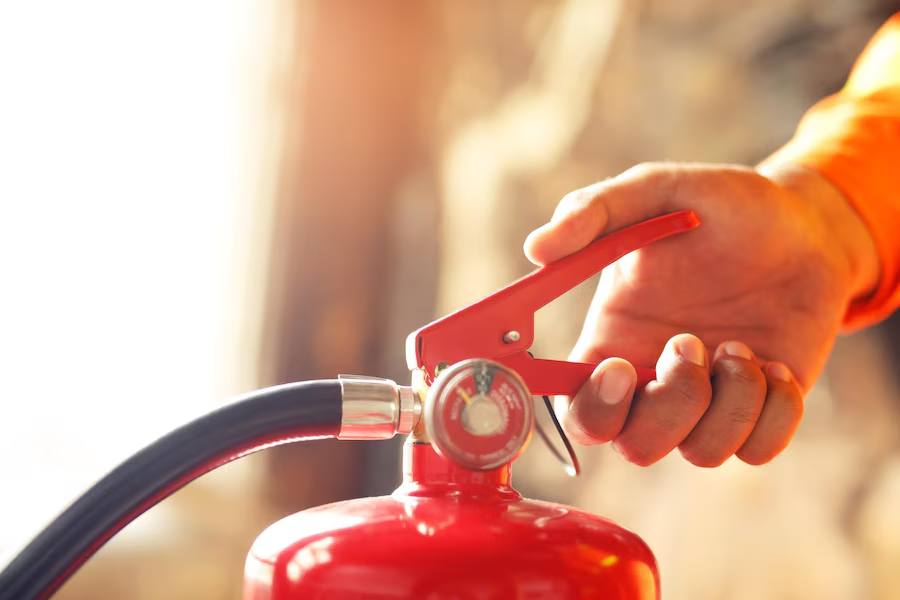
Fire safety equipment is a critical component of any healthcare facility’s fire prevention and response plan. Essential equipment includes fire alarms, smoke detectors, fire extinguishers, sprinkler systems, and fire doors. Each piece of equipment serves a unique function in detecting, suppressing, and containing fires. Regular maintenance and inspection of this equipment are vital to ensure its proper functioning during an emergency. Fire alarms and smoke detectors should be tested monthly, and batteries replaced annually or as needed.
Fire extinguishers should be inspected monthly for proper pressure and accessibility, and professional servicing should be conducted annually. Sprinkler systems require regular inspection to ensure they are free of obstructions and function correctly. Fire doors should be checked to ensure they close properly and are not propped open.
Fire Evacuation Procedures
Effective fire evacuation procedures are essential for ensuring the safety of everyone in a healthcare facility during a fire emergency. Here are five key procedures to implement:
Clear and Accessible Evacuation Routes
Ensure that all evacuation routes are clearly marked and free of obstructions. Exit signs should be illuminated, and paths should be wide enough to accommodate wheelchairs and gurneys. Regularly inspect routes to maintain their accessibility.
Designated Assembly Points
Identify safe assembly points outside the building where staff, patients, and visitors can gather after evacuating. These points should be far enough from the building to avoid danger and easily accessible from all exits.
Role Assignments and Responsibilities
Assign specific roles to staff members, such as leading patients to safety, assisting those with mobility challenges, and accounting for everyone at assembly points. Clearly define these roles and ensure all staff are trained on their responsibilities.
Regular Fire Drills
Conduct regular fire drills to practice evacuation procedures. These drills help familiarize everyone with the routes and protocols, identify any issues in the evacuation plan, and ensure that staff and patients can evacuate quickly and safely.
Emergency Communication Plan
Establish a robust communication plan to relay information during an evacuation. This includes using intercom systems, two-way radios, and designated signals to provide clear instructions and updates.
Training Healthcare Staff in Fire Safety
Training healthcare staff in fire safety is essential for ensuring a prompt and effective response to fire emergencies. Comprehensive fire safety training should cover fire prevention techniques, proper use of fire safety equipment, evacuation procedures, and emergency communication protocols. Staff should be trained to identify potential fire hazards and take corrective actions to mitigate risks. Training should also include hands-on practice with fire extinguishers and other safety equipment to build confidence and competence.
Regular training sessions and refresher courses are necessary to keep staff updated on the latest fire safety practices and any changes in facility procedures. Role-playing scenarios and fire drills can help reinforce training and ensure staff are familiar with their roles during an emergency.
Fire Drills and Emergency Preparedness
Conducting regular fire drills is a fundamental aspect of ensuring emergency preparedness in healthcare facilities. These drills help familiarize staff and patients with evacuation procedures, identify potential issues, and ensure a swift, organized response during an actual fire emergency. Here are five key components to include in fire drills and emergency preparedness plans:
Comprehensive Evacuation Plans
- Develop detailed evacuation routes and procedures tailored to the facility’s layout.
- Ensure all exits are clearly marked and accessible.
- Assign specific roles to staff members, such as evacuation leaders and patient assistants.
Regular Training and Drills
- Schedule fire drills at regular intervals to ensure all staff are familiar with procedures.
- Conduct drills at different times of the day to cover various shifts.
- Include scenarios that simulate real-life challenges, such as blocked exits or patient mobility issues.
Coordination with Local Fire Services
- Collaborate with local fire departments to conduct joint drills and training exercises.
- Ensure fire personnel are familiar with the facility’s layout and potential hazards.
- Develop a communication plan for coordinating with fire services during an emergency.
Patient and Visitor Safety
- Implement procedures for safely evacuating patients, especially those with mobility challenges.
- Educate visitors on fire safety and evacuation procedures through clear signage and verbal instructions.
- Use evacuation aids, such as chairs and sleds, to assist patients who cannot walk.
Post-Drill Evaluation and Improvement
- Conduct debriefing sessions after each drill to discuss what went well and areas for improvement.
- Gather feedback from staff and participants to identify gaps in the emergency plan.
- Update and refine evacuation procedures based on lessons learned from the drills.
Communication During a Fire Emergency
Effective communication is vital during a fire emergency to ensure a coordinated and safe evacuation. Clear, concise communication helps prevent panic, ensures that everyone is informed about the situation, and guides them to safety. Communication plans should include the use of intercom systems, two-way radios, and pre-arranged signals to relay information quickly and efficiently.
Staff should be trained to provide clear instructions and updates during an emergency, and designated communication roles should be assigned to key personnel. It’s also important to establish a chain of command to avoid confusion and ensure that decisions are made and communicated promptly.
Fire Safety for Patients and Visitors
Ensuring fire safety for patients and visitors in healthcare facilities is a critical component of comprehensive fire safety planning. Patients, particularly those with mobility challenges or cognitive impairments, require special considerations during fire emergencies. Healthcare facilities should have clear, accessible evacuation routes and procedures tailored to the needs of all patients. Staff should be trained to assist patients in evacuating safely, including the use of evacuation chairs or other equipment for those unable to walk.
Visitors should be informed about fire safety procedures through signage and verbal instructions. Regular fire drills should include scenarios involving patients and visitors to ensure everyone is familiar with evacuation procedures.
Fire Incident Reporting and Investigation
Fire incident reporting and investigation are essential processes for understanding the causes of fires and preventing future occurrences. Healthcare facilities should have a clear protocol for reporting fire incidents, including minor fires and near-misses. All staff should be trained on how to report fire incidents promptly and accurately. Detailed incident reports should include information on the time, location, and circumstances of the fire, as well as any actions taken and the outcome. Once an incident is reported, a thorough investigation should be conducted to determine the root cause.
Findings from the investigation should be documented and used to make necessary improvements to fire safety protocols. Lessons learned from fire incidents can help identify gaps in training, equipment maintenance, or emergency response plans.
Collaboration with Local Fire Departments
Collaboration with local fire departments is crucial for enhancing fire safety in healthcare facilities. Establishing strong relationships with local fire services ensures a coordinated response during emergencies and provides valuable support for fire safety planning and training. Healthcare facilities should invite local fire department personnel to tour the facility and become familiar with its layout, fire safety systems, and potential hazards. Regular meetings and joint training exercises can help both parties understand each other’s capabilities and procedures.
Fire department representatives can also provide valuable input on improving fire safety protocols and conducting effective fire drills. In the event of a fire, having an established relationship with the local fire department can facilitate a swift, coordinated response, minimizing damage and ensuring the safety of patients, staff, and visitors.
implementing comprehensive fire safety training in healthcare facilities is vital for protecting lives and ensuring compliance with California’s stringent fire safety regulations. By equipping staff with the knowledge and skills needed to prevent, respond to, and manage fire emergencies, facilities can create a safer environment for patients, staff, and visitors.
For expert fire safety training and support tailored to your healthcare facility’s needs, contact FMC FIRE SYSTEMS at (408) 661-3729. Our team in California is dedicated to helping you enhance your fire safety measures and ensure the utmost protection for everyone in your care.