In the realm of healthcare, preparedness is paramount. Yet, amidst the daily bustle of patient care and administrative tasks, the intricacies of fire emergency planning can often slip through the cracks. However, the consequences of inadequate preparation can be severe, potentially endangering both patients and staff alike.
In this blog, we delve into the crucial topic of enhancing fire emergency planning within healthcare facilities. From understanding regulatory requirements to implementing practical strategies, we explore how healthcare providers can fortify their defenses against the unpredictable threat of fire emergencies. Join us as we navigate through the essential steps toward ensuring the safety and security of everyone within the healthcare environment.
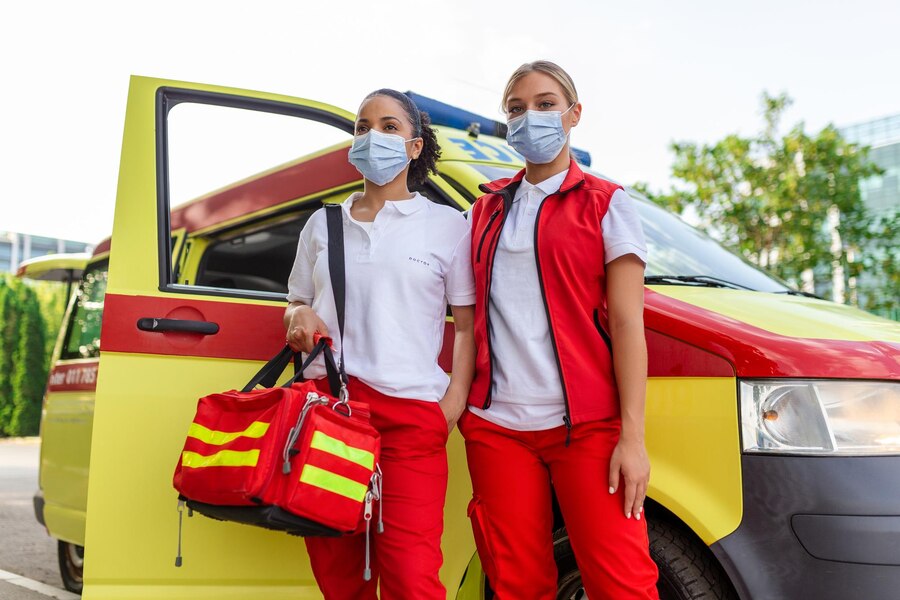
Regulatory Compliance: Navigating Healthcare Standards
Ensuring compliance with healthcare standards regarding fire safety is not just a legal obligation but a moral imperative. Healthcare facilities must navigate a complex web of regulations set forth by various governing bodies, including local, state, and federal authorities.
From building codes to occupancy requirements, adherence to these standards forms the foundation of a robust fire emergency plan. Moreover, staying abreast of updates and changes in regulations is essential for maintaining compliance and adapting emergency plans accordingly.
Identifying Vulnerabilities: Assessing Fire Risks
Assessing fire risks is a critical step in ensuring the safety of healthcare facilities. By identifying vulnerabilities, healthcare providers can mitigate potential hazards and enhance emergency preparedness.
Conduct a comprehensive risk assessment:
- Evaluate building materials and construction: Assess the materials used in the construction of the facility to determine their fire resistance and potential for contributing to fire spread.
- Analyze equipment and machinery: Inspect medical equipment, electrical systems, and machinery to identify potential ignition sources or malfunction risks.
- Consider occupancy levels and density: Evaluate the number of patients, staff, and visitors present in different areas of the facility to assess the potential impact of a fire on evacuation efforts.
- Assess the presence of flammable substances: Identify any flammable liquids, gasses, or chemicals stored or used within the facility and implement appropriate storage and handling protocols.
- Review emergency response plans: Examine existing emergency response plans to ensure they adequately address potential fire risks and provide clear guidance for staff and occupants.
By conducting a thorough assessment of fire risks and vulnerabilities, healthcare facilities can proactively identify areas for improvement and implement targeted measures to enhance fire safety. Regular reviews and updates to risk assessments ensure that facilities remain vigilant and prepared to effectively respond to fire emergencies.
Staff Training and Preparedness: Building a Resilient Team
In a fire emergency, the response of healthcare staff can mean the difference between safety and catastrophe. Therefore, comprehensive training programs are indispensable for equipping personnel with the knowledge, skills, and confidence to effectively manage emergencies.
Training should encompass fire prevention techniques, evacuation procedures, operation of fire safety equipment, and communication protocols. Furthermore, regular drills and simulations can reinforce preparedness and ensure that staff are adept at executing their roles under pressure. Building a resilient team requires ongoing training, reinforcement, and a culture of safety consciousness among all staff members.
Evacuation Protocols: Safeguarding Patient Mobility
In the event of a fire emergency, ensuring the safe evacuation of patients with diverse mobility needs is paramount for healthcare facilities. Here’s how healthcare providers can safeguard patient mobility during evacuations:
- Prioritize Vulnerable Patients: Identify patients with mobility impairments, medical dependencies, or cognitive disabilities for priority evacuation assistance.
- Train Staff on Patient Handling: Provide comprehensive training to staff on proper techniques for assisting patients with mobility challenges during evacuations, including the use of evacuation chairs or other assistive devices.
- Establish Clear Evacuation Routes: Designate accessible evacuation routes that accommodate patients with mobility aids and ensure clear signage throughout the facility for easy navigation.
- Conduct Regular Drills: Conduct evacuation drills regularly to familiarize staff with evacuation procedures and identify any areas for improvement in assisting patients with mobility needs.
- Coordinate with External Partners: Collaborate with external emergency responders and transportation services to ensure timely and efficient evacuation of patients with mobility challenges in the event of a fire emergency.
Incorporating these measures into evacuation protocols can help healthcare facilities effectively safeguard patient mobility and ensure the safety of all individuals during emergencies.
Communication Systems: Enhancing Emergency Response
Effective communication is the linchpin of any successful emergency response effort. Healthcare facilities must establish robust communication systems that enable rapid dissemination of critical information during a fire emergency. This includes mechanisms for alerting staff, coordinating evacuation procedures, and communicating with external emergency responders.
Implementing redundant communication channels, such as overhead paging systems, two-way radios, and digital messaging platforms, can help ensure that vital information reaches all stakeholders promptly. Moreover, regular testing and maintenance of communication systems are essential to identify and address any potential failures or shortcomings before they jeopardize emergency response efforts.
Technology Integration: Leveraging Tools for Swift Action
Advancements in technology offer healthcare facilities powerful tools to enhance their fire emergency preparedness and response capabilities. From automated fire detection and alarm systems to real-time monitoring and analytics platforms, integrating cutting-edge technologies can provide early warning of potential hazards and facilitate swift decision-making.
Additionally, digital mapping and wayfinding solutions can assist in guiding evacuees to safety during an emergency. Embracing technology not only improves the effectiveness of emergency response efforts but also enables healthcare providers to gather valuable data for post-incident analysis and continuous improvement.
Collaborative Planning: Engaging Stakeholders in Safety Measures
Effective fire emergency planning requires collaboration and cooperation among all stakeholders involved in the healthcare ecosystem. This includes facility administrators, medical staff, support personnel, patients, visitors, and external partners such as fire departments and emergency management agencies. Engaging stakeholders in the planning process fosters a sense of ownership and collective responsibility for fire safety initiatives.
Moreover, soliciting input from diverse perspectives can help identify blind spots, anticipate challenges, and develop comprehensive solutions that address the needs of all stakeholders. By fostering a culture of collaboration, healthcare facilities can strengthen their resilience and ability to respond effectively to fire emergencies.
Risk Mitigation Strategies: Proactive Measures for Prevention
Proactive risk mitigation strategies are essential for preventing fires within healthcare facilities. By identifying and addressing potential hazards before they escalate, facilities can safeguard lives and assets. Here are five key measures to consider:
- Regular maintenance of electrical systems: Ensuring that wiring, outlets, and appliances are inspected and maintained regularly reduces the risk of electrical malfunctions or short circuits.
- Strict enforcement of flammable material storage protocols: Implementing clear policies for the storage and handling of flammable substances, such as chemicals or oxygen tanks, minimizes the risk of ignition.
- Staff training on fire prevention: Educating employees about fire hazards, proper use of equipment, and emergency procedures empowers them to identify risks and take proactive measures to prevent fires.
- Installation of automatic fire suppression systems: Equipping healthcare facilities with sprinkler systems and fire extinguishers can contain small fires before they escalate, limiting damage and ensuring a swift response.
- Emergency power backup systems: Installing backup generators or uninterruptible power supply (UPS) systems ensures that critical life-saving equipment remains operational during power outages, reducing the risk of fire-related incidents.
Incorporating these proactive measures into fire safety protocols can significantly reduce the likelihood and impact of fires within healthcare facilities, ultimately enhancing the safety and well-being of patients, staff, and visitors.
Post-Emergency Recovery: Ensuring Continuity of Care
Even after a fire emergency has been successfully managed, the work is far from over. Healthcare facilities must prioritize post-emergency recovery efforts to ensure continuity of care for patients and restore normal operations as quickly as possible. This may involve assessing damage to infrastructure and equipment, securing temporary facilities if necessary, and developing plans to address any disruptions to patient care services.
Additionally, providing support and counseling for staff members who may have been affected by the incident is essential for promoting resilience and psychological well-being. By swiftly transitioning from emergency response to recovery mode, healthcare facilities can minimize the impact of fires on patient outcomes and organizational performance.
Continuous Improvement: Evolving Fire Emergency Plans
Fire emergency planning is not a one-time endeavor but an ongoing process of continuous improvement. Healthcare facilities must regularly review and update their emergency plans to reflect changes in regulations, technologies, and best practices. This may involve conducting periodic risk assessments, reassessing evacuation routes, and refining communication protocols based on lessons learned from drills or actual incidents.
Engaging in regular training and education initiatives ensures that staff members remain informed and prepared to respond effectively to fire emergencies. By embracing a culture of continuous improvement, healthcare facilities can adapt to evolving threats and maintain the highest standards of fire safety for patients, staff, and visitors alike.
Enhancing fire emergency planning within healthcare facilities is not merely a regulatory obligation but a fundamental aspect of ensuring the safety and well-being of patients, staff, and visitors. By prioritizing regulatory compliance, identifying vulnerabilities, investing in staff training and technology integration, and fostering a culture of collaboration and continuous improvement, healthcare providers can fortify their defenses against the unpredictable threat of fire emergencies.
Ready to take the next step in enhancing your facility’s fire safety? Contact FMC Fire System today at (408) 661-3729 to learn more about our comprehensive fire safety solutions tailored to your specific needs. Protect what matters most with FMC Fire System.