

When we think of healthcare facilities, our minds often conjure images of bustling corridors, dedicated staff, and the comforting presence of healing. However, amidst the complexity of medical care, there lies an often-overlooked aspect that demands equal attention: fire safety.
In the intricate ecosystem of hospitals, clinics, and care centers, the threat of fire poses unique challenges that necessitate vigilant planning, robust infrastructure, and comprehensive protocols. From the storage of volatile substances to the presence of vulnerable patients, healthcare facilities must navigate a myriad of complexities to ensure the safety and well-being of all occupants.
In this blog post, we delve into the critical issue of fire safety within healthcare facilities, exploring the inherent challenges faced by these institutions and presenting innovative solutions aimed at mitigating risks and enhancing preparedness. Join us as we embark on a journey to understand the intricacies of fire safety in healthcare and uncover the strategies that safeguard lives and preserve the sanctity of healing spaces.
The Silent Threat: Fire Risks
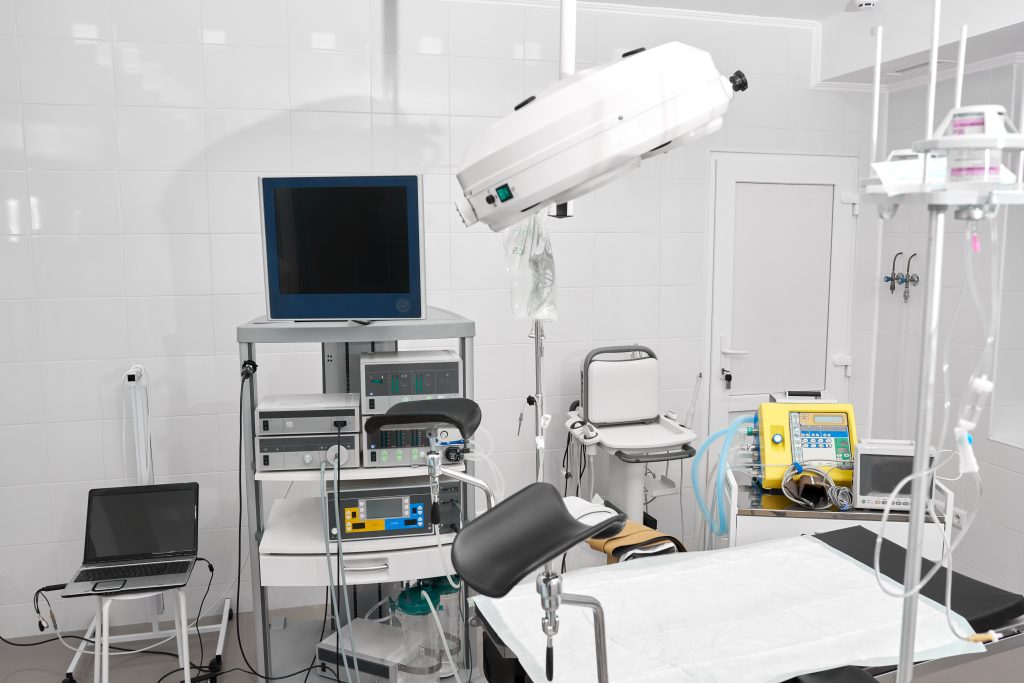
In healthcare facilities, the threat of fire lurks ominously, presenting a formidable challenge that demands urgent attention. The presence of a diverse array of electronic devices, combustible materials, and intricate structural elements renders hospitals and clinics susceptible to the swift propagation of flames. The repercussions of a fire outbreak within these environments transcend mere material loss, posing grave risks to the lives of patients, dedicated healthcare professionals, and visitors alike.
Effectively addressing and mitigating these risks is imperative to safeguarding the uninterrupted delivery of essential healthcare services.
Through comprehensive risk assessment, stringent safety protocols, and proactive measures, healthcare facilities can bolster their resilience against the silent yet potent threat of fire, ensuring the preservation of life and the continuity of care.
Vulnerable Environments
Healthcare environments possess inherent vulnerabilities that intensify the repercussions of fire incidents. The presence of immobile patients and the widespread use of oxygen and other medical gasses heighten the risk profile. Compounding these challenges is the complex layout of healthcare facilities, characterized by sprawling structures that can hinder rapid evacuation during emergencies.
Acknowledging and understanding these vulnerabilities is paramount, serving as the foundation for the implementation of tailored fire safety measures. By addressing these unique risk factors head-on and customizing safety protocols to suit the distinctive demands of healthcare settings, facilities can significantly enhance their resilience against the threat of fire.
Regulatory Compliance
In the realm of fire safety, healthcare facilities operate under strict regulatory frameworks aimed at ensuring the utmost protection for all stakeholders. Compliance with these stringent regulations is paramount, necessitating continuous vigilance and proactive measures from healthcare administrators. From meticulously selecting fire-resistant construction materials to implementing cutting-edge suppression systems, adherence to regulatory mandates serves as the cornerstone of robust fire safety management within healthcare settings.
By staying abreast of evolving guidelines and diligently implementing prescribed measures, healthcare facilities can fortify their defenses against the ever-present threat of fire, safeguarding the well-being of patients, staff, and property alike.
Emergency Preparedness
Effective emergency preparedness is the linchpin of any comprehensive fire safety strategy in healthcare settings. From conducting regular fire drills to developing robust evacuation plans, preparedness efforts must be proactive, thorough, and meticulously executed. Furthermore, healthcare facilities must cultivate a culture of vigilance and rapid response, ensuring that staff members are trained to react swiftly and decisively in the face of a fire emergency.
- Regular Drills: Conducting frequent fire drills familiarizes staff with evacuation procedures, enhancing response efficiency during actual emergencies.
- Robust Plans: Developing comprehensive emergency response plans ensures swift and coordinated actions in the event of a fire outbreak.
- Staff Training: Providing ongoing training equips personnel with the skills needed to effectively manage fire emergencies and ensure safety.
Infrastructure Challenges
Infrastructure challenges present significant obstacles in the realm of fire safety for healthcare facilities, demanding careful attention and proactive measures to address potential vulnerabilities. From aging structures to the integration of complex medical technologies, navigating these challenges requires a multifaceted approach.
- Aging Buildings: Many healthcare facilities grapple with aging infrastructure, including outdated electrical systems and compromised structural integrity, which can increase the risk of fire incidents.
- Integration of Medical Technology: The incorporation of advanced medical equipment and technology introduces additional complexities, as these systems may generate heat or contain flammable components, necessitating specialized fire safety protocols.
- Accessibility and Evacuation Routes: Ensuring the accessibility of evacuation routes, particularly for patients with mobility limitations, poses a significant challenge, requiring careful planning and coordination to facilitate swift and safe evacuation in the event of a fire.
- Maintenance and Upkeep: Ongoing maintenance and upkeep of fire suppression systems, such as sprinklers and alarms, are essential to ensure their efficacy in the event of an emergency, yet this can be hindered by resource constraints and competing priorities within healthcare facilities.
Staff Training Imperatives
The effectiveness of any fire safety protocol hinges upon the preparedness and proficiency of healthcare staff. Comprehensive training programs must equip personnel with the knowledge and skills necessary to identify fire hazards, execute evacuation procedures, and operate firefighting equipment effectively. Regular training sessions and simulations serve to reinforce these competencies, empowering staff members to respond with confidence and competence in high-stress situations.
Patient Evacuation Protocols
Ensuring the swift and safe evacuation of patients is a critical aspect of fire safety planning in healthcare facilities. Given the diverse medical needs and mobility limitations of patients, evacuation protocols must be tailored to accommodate various scenarios and contingencies. Clear communication channels, designated evacuation routes, and specialized equipment for transporting non-ambulatory patients are essential components of effective patient evacuation strategies.
- Tailored Evacuation Plans: Developing evacuation protocols specifically tailored to the diverse medical needs and mobility limitations of patients is essential. This includes identifying alternative evacuation routes and specialized equipment for safely transporting non-ambulatory patients during emergencies, ensuring comprehensive preparedness.
- Clear Communication Channels: Establishing clear communication channels for disseminating evacuation instructions and updates is crucial. Utilizing intercom systems, mobile alerts, and visual cues helps ensure that patients, staff, and visitors receive timely and accurate information, facilitating orderly and efficient evacuations.
- Staff Training and Coordination: Providing comprehensive training to healthcare staff on patient evacuation procedures and coordination protocols is paramount. Staff members must be equipped with the knowledge and skills to swiftly mobilize patients, prioritize those with special needs, and liaise effectively with emergency responders to ensure a coordinated response in high-stress situations.
Advanced Fire Detection Systems
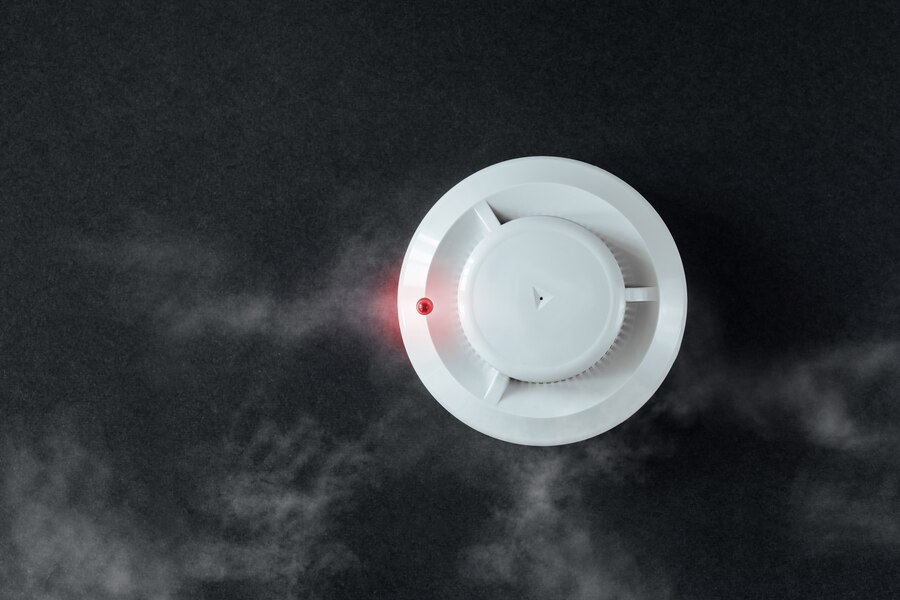
Early detection is paramount in minimizing the spread and impact of fires within healthcare facilities. Advanced fire detection systems, including smoke detectors, heat sensors, and flame detectors, play a crucial role in alerting occupants and triggering swift response measures. Integration with building automation systems allows for real-time monitoring and centralized control, enhancing overall situational awareness and response capabilities.
Fire-Resistant Materials
In the realm of fire safety for healthcare facilities, the choice of fire-resistant materials is a pivotal factor in minimizing the potential impact of a fire outbreak. These materials act as crucial barriers against the rapid spread of flames and smoke, enhancing evacuation efforts and containment strategies.
- Fire-Rated Doors and Walls: Installing doors and walls with fire-resistant properties helps create compartmentalized zones, limiting the spread of fire within a facility.
- Flame-Retardant Upholstery: Furnishing healthcare spaces with flame-retardant upholstery provides an added layer of protection, reducing the risk of ignition and slowing down the progression of fire.
- Fire-Resistant Ceiling Tiles: Utilizing ceiling tiles with fire-resistant properties is essential in preventing the rapid spread of flames through ventilation systems and overhead spaces.
- Fire-Resistant Building Insulation: Incorporating fire-resistant insulation materials in the construction of healthcare facilities adds an additional safeguard, inhibiting the potential for fire to penetrate structural elements.
By strategically integrating these fire-resistant materials, healthcare facilities can fortify their defenses, buying crucial time for evacuation and containment while minimizing the overall impact of fire-related incidents.
Case Studies: Successful Solutions
Examining real-world case studies provides invaluable insights into the effectiveness of various fire safety solutions implemented in healthcare settings. From the adoption of innovative technologies to the implementation of comprehensive training programs, these case studies highlight best practices and lessons learned that can inform and inspire proactive fire safety initiatives in other facilities. By sharing and disseminating successful solutions, the healthcare industry can collectively enhance its resilience and preparedness in the face of fire-related risks.
In conclusion, fire safety in healthcare facilities is a multifaceted challenge that demands careful consideration and proactive measures. From identifying vulnerabilities to implementing robust protocols and leveraging advanced technologies, safeguarding the lives of patients, staff, and visitors requires a comprehensive approach. By prioritizing regulatory compliance, investing in infrastructure upgrades, and fostering a culture of preparedness through staff training and drills, healthcare facilities can significantly mitigate the risks posed by fire incidents.
As we navigate the complexities of fire safety in healthcare, let us remain steadfast in our commitment to protecting lives and preserving the integrity of healing spaces. By implementing the strategies outlined in this discussion and embracing a culture of continuous improvement, we can fortify our defenses against the silent threat of fire. Together, let us champion the cause of fire safety in healthcare, ensuring that every patient, every staff member, and every visitor can experience peace of mind in knowing that their well-being is safeguarded.
Take action today to prioritize fire safety in your healthcare facility. Whether it’s conducting a comprehensive risk assessment, upgrading outdated infrastructure, or enhancing staff training programs, every step taken brings us closer to a safer environment for all. For expert guidance and support in implementing state-of-the-art fire safety solutions tailored to your facility’s needs, contact FMC FIRE SYSTEMS at (408) 661-3729. Let us collaborate to fortify your healthcare facility against the threat of fire and uphold the highest standards of safety and care.