In the realm of property management and safety, few things are as critical as ensuring fire safety systems are not just installed but well-maintained. Imagine a scenario where a fire breaks out, and the safety systems fail due to negligence or lack of upkeep. The consequences could be catastrophic, not just in terms of property damage but, more importantly, in risking lives. This is where proactive fire system maintenance services step in, offering a vital layer of protection and peace of mind to property owners and occupants alike.
With the ever-present threat of fire, whether in commercial buildings, residential complexes, or industrial facilities, staying ahead of potential hazards is paramount. Proactive fire system maintenance services go beyond mere routine check-ups; they involve a comprehensive approach to ensuring that all components of a fire safety system are functioning optimally, ready to spring into action at a moment’s notice.
Understanding the Importance of Fire System Maintenance
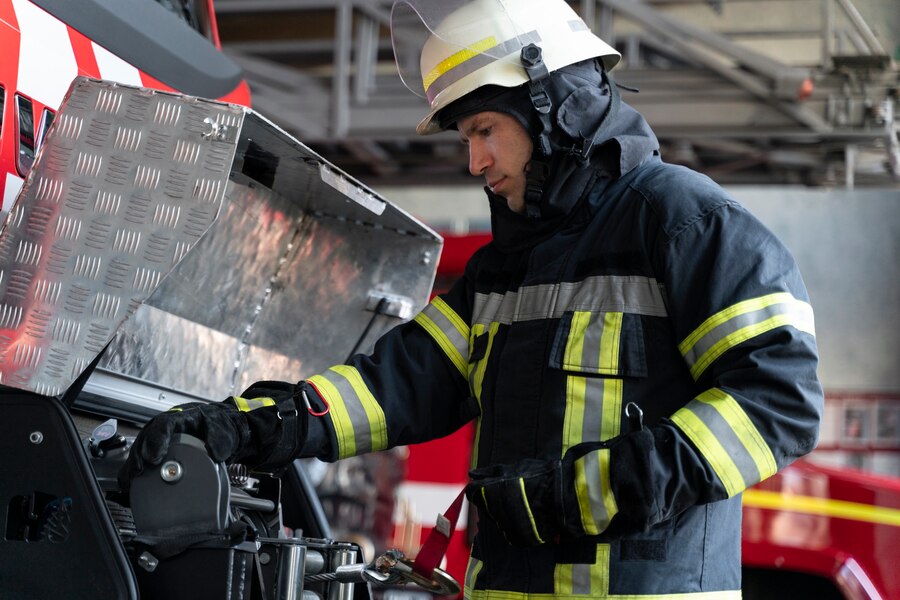
Fire system maintenance isn’t just a routine task; it’s a critical aspect of property safety management. Beyond the legal requirements, it’s about safeguarding lives and assets. Fire systems, including alarms, sprinklers, and extinguishers, are the first line of defense against potential disasters.
Regular maintenance ensures they’re ready to perform when needed most, minimizing the risk of catastrophic outcomes. Neglecting maintenance can lead to system failures, false alarms, or reduced effectiveness during emergencies, compromising safety and incurring costly repairs or replacements.
The Role of Proactivity in Fire Safety
Proactivity is essential in maintaining effective fire safety measures. By anticipating and addressing potential hazards, property owners and managers can mitigate risks and ensure the safety of occupants. Here are five key ways proactivity plays a crucial role in fire safety:
- Anticipating Potential Hazards: Proactive measures involve identifying and addressing potential fire hazards before they escalate. Regular risk assessments help pinpoint vulnerabilities such as faulty wiring, combustible materials, or inadequate emergency exits.
- Implementing Preventive Maintenance: Regular inspections and maintenance of fire systems prevent potential failures during emergencies. Proactive maintenance involves cleaning, testing, and repairing system components to ensure optimal functionality.
- Training Personnel: Proactive fire safety training empowers personnel to respond effectively during emergencies. Training sessions cover evacuation procedures, fire extinguisher operation, and emergency communication protocols.
- Updating Emergency Plans: Proactive planning includes regularly reviewing and updating emergency response plans. This ensures that evacuation routes, assembly points, and emergency contacts remain current and effective.
- Engaging with Professional Services: Partnering with professional fire safety services ensures proactive management of fire risks. Experienced professionals conduct comprehensive assessments, provide tailored solutions, and offer ongoing support to maintain optimal fire safety standards.
Components of a Comprehensive Maintenance Plan
A comprehensive maintenance plan encompasses various elements to ensure the reliability and effectiveness of fire safety systems. Here are the key components:
1. Routine Inspections
Regular inspections involve thorough checks of all fire system components, including alarms, sprinklers, and extinguishers, to identify any signs of wear, damage, or malfunction.
2. Testing and Calibration
Scheduled testing and calibration of fire system equipment ensure that they are functioning optimally and in compliance with regulatory standards.
3. Preventive Maintenance
Implementing preventive maintenance measures, such as cleaning, lubrication, and minor repairs, helps prevent potential issues and extends the lifespan of fire system components.
4. Documentation and Record-Keeping
Maintaining detailed records of maintenance activities, including inspection reports, testing results, and repair logs, is essential for compliance with regulations and tracking system performance over time.
5. Emergency Response Planning
Developing and updating emergency response plans, including evacuation procedures and communication protocols, ensures that occupants and personnel are prepared to respond effectively during fire emergencies.
By incorporating these components into a comprehensive maintenance plan, property owners and managers can proactively safeguard lives and properties against the threat of fires, ensuring the reliability and effectiveness of their fire safety systems.
Assessing Risks: Identifying Vulnerabilities in Fire Systems
Assessing risks involves conducting thorough evaluations of fire systems to identify weaknesses or potential points of failure. This includes assessing environmental factors, such as building layout, occupancy, and fire hazards, as well as the condition and age of fire system components.
By pinpointing vulnerabilities, property owners and managers can implement targeted measures to enhance system reliability and effectiveness. Regular risk assessments enable proactive decision-making, ensuring that fire safety measures remain robust and aligned with evolving needs.
Regular Inspections: Key to Preventative Maintenance
Regular inspections serve as the cornerstone of preventative maintenance for fire systems. They involve systematic checks of all system components, including alarms, detectors, sprinklers, extinguishers, and emergency lighting. Inspections identify any signs of wear, damage, or malfunction, allowing for timely repairs or replacements.
Moreover, they verify compliance with relevant codes and standards, ensuring that fire systems meet regulatory requirements. By conducting inspections on a scheduled basis, property owners and managers can stay ahead of potential issues, reducing the risk of system failures during emergencies.
Maintenance Techniques: Keeping Fire Systems in Peak Condition
Maintaining fire systems in peak condition requires employing effective maintenance techniques that ensure optimal performance and reliability. Here are five key techniques to consider:
- Regular Inspection: Conduct thorough inspections of all system components to detect any signs of wear, damage, or malfunction early on, ensuring timely repairs.
- Cleaning and Lubrication: Regularly clean and lubricate mechanical parts to prevent corrosion and ensure smooth operation, prolonging the lifespan of the system.
- Testing and Calibration: Perform routine tests and calibration of sensors, alarms, and extinguishing systems to verify their accuracy and responsiveness in emergencies.
- Upgrading Technology: Stay updated with advancements in fire safety technology and consider upgrading system components to enhance efficiency and effectiveness.
- Training Personnel: Provide comprehensive training to personnel on proper maintenance procedures, empowering them to identify and address issues proactively.
In conclusion, adopting these maintenance techniques not only preserves the integrity of fire systems but also enhances their ability to protect lives and property effectively.
Addressing Common Issues and Malfunctions
Despite regular maintenance efforts, fire systems may encounter common issues or malfunctions over time. These can range from sensor faults and valve leaks to wiring defects and power supply failures. Promptly addressing such issues is crucial to restoring system functionality and preventing further damage. This involves diagnosing the root cause of the problem, performing necessary repairs or replacements, and conducting thorough testing to ensure resolution.
Additionally, implementing corrective actions and preventive measures can help mitigate the recurrence of similar issues in the future. By proactively addressing common issues and malfunctions, property owners and managers can maintain the reliability and effectiveness of their fire systems.
Training and Education: Empowering Personnel for Fire Safety:
Training and education play a vital role in empowering personnel to effectively manage fire safety systems. This includes providing comprehensive training on system operation, maintenance procedures, emergency response protocols, and evacuation plans. Properly trained personnel can quickly identify potential hazards, respond appropriately during emergencies, and assist in evacuating occupants safely.
Moreover, ongoing education ensures that personnel stay updated on the latest industry standards, technologies, and best practices. By investing in training and education initiatives, property owners and managers can build a knowledgeable and proactive team capable of safeguarding properties and lives.
Emergency Response Preparedness: Testing and Drills
Emergency response preparedness involves conducting regular testing and drills to ensure that occupants and personnel are adequately trained to respond to fire emergencies. This includes simulating various scenarios, such as fire alarms, evacuations, and fire suppression system activations, to evaluate response times and effectiveness. Testing and drills help identify areas for improvement in emergency procedures, communication protocols, and evacuation routes.
Additionally, they familiarize occupants with emergency equipment and evacuation procedures, enhancing their readiness to act decisively during real emergencies. By prioritizing emergency response preparedness, property owners and managers can minimize the potential impact of fires and protect lives and property.
Partnering with Professionals: Choosing the Right Maintenance Service
Partnering with professionals in fire system maintenance is essential for ensuring the reliability and effectiveness of fire safety measures. This involves selecting experienced and reputable service providers with expertise in inspecting, testing, and maintaining fire systems. Professional maintenance services offer specialized knowledge, equipment, and resources to perform comprehensive assessments and address any issues efficiently.
Moreover, they stay abreast of regulatory changes and industry advancements, ensuring compliance and optimal system performance. By choosing the right maintenance service, property owners and managers can entrust the safety of their properties to qualified professionals, providing peace of mind and confidence in their fire protection measures.
Proactive fire system maintenance is indispensable for safeguarding lives and properties against the devastating impact of fires. By understanding the importance of maintenance, embracing proactivity, and partnering with professionals, property owners and managers can ensure that their fire safety systems remain reliable and effective. Investing in comprehensive maintenance plans, training personnel, and prioritizing emergency preparedness are crucial steps towards creating a safer environment for all.
At FMC Fire System, we prioritize customer satisfaction and safety. We take pride in our commitment to delivering top-notch fire safety solutions tailored to your specific needs. Our experienced team is equipped to handle projects of all sizes, ensuring that you receive reliable and effective fire protection. Contact us today at (408) 661-3729 to learn more about how we can help you safeguard your property and occupants from the threat of fire.