

In the realm of safety and security, few measures are as critical as fire alarm systems. These silent guardians stand as the first line of defense against the devastating effects of fire, providing early warning to occupants and enabling swift action to mitigate potential harm. However, like any other piece of equipment, fire alarm systems require regular testing and maintenance to ensure they remain fully operational when needed most.
In this blog post, we delve into the vital importance of fire alarm system testing and maintenance. From understanding the components of these systems to the repercussions of neglecting their upkeep, we explore why proactive measures are essential for safeguarding lives and property. So, let’s embark on a journey to uncover the significance of prioritizing the health and functionality of fire alarm systems in any environment.
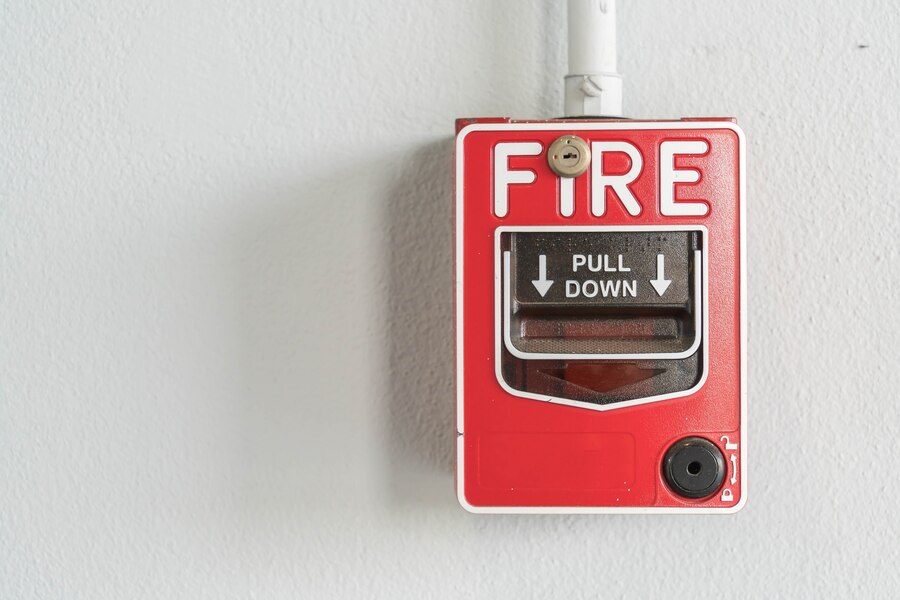
Overview of Fire Alarm Systems
Fire alarm systems represent sophisticated networks comprising sensors, detectors, control panels, and alerting devices meticulously designed to swiftly detect and respond to fire outbreaks. Serving as the primary safeguard against the catastrophic consequences of fires, these systems offer vital early warnings, enabling timely evacuation and intervention.
Ranging from simple smoke detectors installed in residential settings to intricately engineered multi-zone configurations found in expansive commercial complexes and industrial plants, fire alarm systems cater to diverse environments with varying complexities.
Regardless of scale, their overarching purpose remains consistent: to mitigate risks, protect lives, and preserve property by detecting fires in their nascent stages, thereby facilitating prompt action and averting potential disasters.
Importance of Regular Testing
Regular testing of fire alarm systems is paramount to ensure their reliability and effectiveness in the event of a fire emergency. Without regular testing, the functionality of these systems may degrade over time, leading to potential failures when they are needed most. By conducting regular tests, building owners and managers can:
- Identify and address any faults or malfunctions promptly.
- Ensure all components of the system are operational and interconnected correctly.
- Verify that the system provides timely alerts to occupants in case of a fire.
- Comply with safety regulations and standards governing fire alarm systems.
Vital Role in Early Detection
Fire alarm systems play an indispensable role in early detection, acting as vigilant sentinels poised to alert occupants and emergency responders at the first sign of fire. By swiftly detecting the presence of smoke, heat, or flames in their nascent stages, these systems provide a crucial window of opportunity for safe evacuation and timely intervention. This early warning not only affords occupants precious moments to exit the premises before the fire escalates but also enables firefighters to swiftly mobilize and initiate suppression efforts.
In doing so, fire alarm systems mitigate the risk of injuries, fatalities, and property damage by facilitating proactive responses to fire emergencies. Their ability to detect and communicate threats promptly underscores their significance as indispensable tools in safeguarding lives and property against the devastating impacts of fires.
Ensuring System Reliability
Ensuring the reliability of fire alarm systems is paramount to their effectiveness in providing early warnings and mitigating the risks associated with fires. Regular testing and maintenance efforts are essential to uphold this reliability by:
- Conducting routine inspections: Regular inspections allow for the identification of any potential issues or malfunctions within the system, ensuring that it remains operational and responsive.
- Addressing faulty components promptly: Prompt resolution of any identified faults or malfunctions helps maintain the system’s functionality and prevents potential failures during emergencies.
- Testing interconnectedness: Verifying that all components of the system are interconnected correctly ensures seamless communication and coordination in the event of a fire.
- Compliance with safety standards: Adhering to safety regulations and standards governing fire alarm systems ensures that the system is designed, installed, and maintained to meet minimum safety requirements, enhancing its overall reliability and effectiveness.
Compliance With Safety Standards
Ensuring compliance with safety standards and regulations is imperative for the proper functioning of fire alarm systems. These standards encompass various aspects, including the design, installation, testing, and maintenance requirements essential to guarantee the effectiveness and reliability of the systems. Adherence to these standards is not merely a guideline but a legal mandate, serving to protect lives and property.
Building owners and managers who prioritize compliance not only contribute to the overall safety of their occupants but also shield themselves from potential legal liabilities and penalties associated with non-compliance, fostering a secure and legally sound environment.
Addressing Potential Malfunctions
Acknowledging their critical role, it’s imperative to recognize that fire alarm systems are not immune to malfunctions. Factors such as aging, environmental conditions, and improper installation can contribute to potential issues. To preemptively address these challenges, regular testing and maintenance become paramount. Through diligent efforts, any potential malfunctions can be identified early in their development.
This proactive approach allows for prompt resolution before they escalate into critical problems, ensuring the continued functionality and reliability of the system. Timely interventions not only extend the lifespan of the fire alarm system but also uphold its crucial role in providing early warnings and safeguarding lives and property from the devastating effects of fires.
Preventing False Alarms
False alarms represent more than just minor inconveniences; they can disrupt operations, deplete resources, and erode trust in fire alarm systems. However, through diligent testing and maintenance efforts, false alarms can be minimized. Regular inspections ensure that all components operate optimally and promptly address any potential triggers for false alarms.
By maintaining the reliability of the system, occupants can have confidence in its functionality, reducing the risk of complacency. Ultimately, this proactive approach not only enhances the credibility of fire alarm systems but also fosters a safer environment where occupants are more vigilant and responsive to potential emergencies.
Impact on Life Safety Measures
The proper functioning of fire alarm systems is integral to overall life safety measures within buildings and facilities. These systems work in conjunction with other safety features such as emergency lighting, exit signage, and fire suppression systems to create a comprehensive safety network. Ensuring the reliability of fire alarm systems enhances the overall effectiveness of these life safety measures, providing occupants with the best possible chance of escaping unharmed during a fire emergency.
- Enhanced Emergency Response: Fire alarm systems contribute to improved emergency response by providing early detection of fires, enabling occupants to evacuate safely and emergency responders to intervene promptly.
- Coordination with Other Safety Measures: Fire alarm systems work in conjunction with other life safety measures, such as emergency lighting and exit signage, to create a comprehensive safety network that facilitates efficient evacuation and emergency response procedures.
- Regulatory Compliance: Compliance with safety regulations and standards governing fire alarm systems ensures that buildings meet minimum safety requirements, enhancing overall life safety measures and reducing the risk of injuries and fatalities during emergencies.
Minimizing Property Damage
Extending beyond their primary function of life protection, they serve as instrumental guardians in minimizing property damage during fire emergencies. Their ability to swiftly detect the onset of a fire and provide timely alerts facilitates rapid response efforts. This prompt notification enables firefighters to intervene swiftly, containing and extinguishing fires before they can escalate and inflict extensive damage to the property.
Properly maintained fire alarm systems, through their early warning capabilities, not only preserve lives but also play a pivotal role in mitigating financial losses for businesses and expediting the recovery process for property owners. Their proactive role in reducing the extent of fire damage underscores their significance in safeguarding both lives and valuable assets.
Cost-Effective Maintenance Strategies
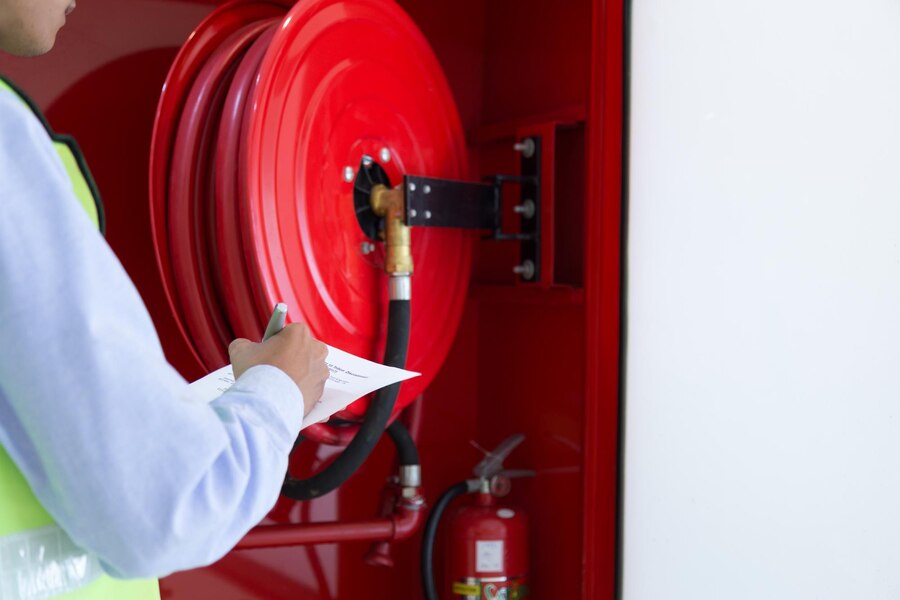
Implementing cost-effective maintenance strategies is essential for ensuring the longevity and reliability of fire alarm systems without incurring unnecessary expenses. This includes regular inspections, testing, and preventive maintenance measures tailored to the specific needs of the system and the facility. Investing in proactive maintenance not only extends the lifespan of the system but also reduces the likelihood of costly repairs or replacements in the future, ultimately offering long-term savings and peace of mind.
- Regular Inspections: Conducting routine inspections of fire alarm systems allows for the early detection of potential issues or malfunctions, enabling timely repairs or adjustments to be made before they escalate into costly problems.
- Preventive Maintenance: Implementing a proactive maintenance schedule helps identify and address wear and tear on system components, reducing the likelihood of unexpected failures and costly repairs down the line.
- Training and Education: Investing in training for facility staff on basic maintenance tasks and system operation can empower them to perform minor repairs and troubleshooting, minimizing the need for expensive professional interventions.
- Utilize Technology: Leveraging advancements in technology, such as remote monitoring and diagnostic tools, can streamline maintenance efforts and provide early warnings of potential issues, allowing for proactive intervention and cost savings.
To sum up, fire alarm systems are indispensable tools for safeguarding lives and property against the ravages of fire. Regular testing and maintenance are essential to ensure these systems remain reliable and effective in detecting fires early and providing timely alerts. By adhering to safety standards, addressing potential malfunctions, and implementing cost-effective maintenance strategies, building owners and managers can enhance the overall safety of their facilities and minimize the risk of injuries, fatalities, and property damage.
At FMC FIRE SYSTEMS, we understand the importance of reliable fire alarm systems in protecting your property and the lives of those within. Our team of experts is dedicated to providing comprehensive testing, maintenance, and inspection services tailored to your specific needs. With years of experience and a commitment to excellence, we ensure that your fire alarm system meets regulatory requirements and operates at peak performance.
Don’t leave the safety of your building to chance. Contact us today at (408) 661-3729 to schedule a consultation and take proactive steps towards ensuring the reliability and effectiveness of your fire alarm system. Together, let’s prioritize safety and peace of mind for you, your occupants, and your community.