Fire safety is a critical aspect of maintaining a secure environment, whether it’s a commercial building, residential complex, or industrial facility. One of the most fundamental elements of fire safety is having reliable fire equipment in place. From fire extinguishers to sprinkler systems, these tools play a crucial role in mitigating the risk of fire-related incidents and protecting lives and property.
However, simply having fire equipment installed is not enough. Ensuring that this equipment functions properly when needed is equally—if not more—important. Regular inspections of fire equipment are essential to verify that everything is in working order and ready to respond effectively in the event of a fire emergency. In this blog post, we’ll delve into the importance of regular fire equipment inspections and why they should be a priority for every responsible property owner or manager.
Safety Assurance Through Inspections
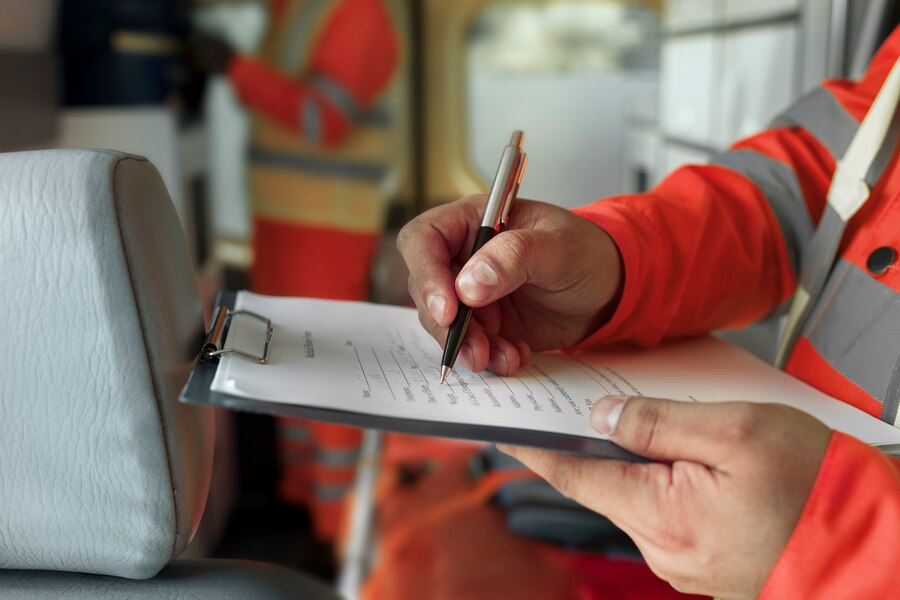
Regular fire equipment inspections are indispensable for ensuring the safety of occupants in any building or premises. These inspections encompass thorough examinations of essential firefighting apparatus such as fire extinguishers, alarms, sprinkler systems, and more, guaranteeing that they are in optimal working condition.
Such proactive measures not only offer peace of mind to property owners and managers but also demonstrate their unwavering commitment to minimizing fire-related risks and safeguarding lives and property effectively. By prioritizing these inspections, property owners not only fulfill their legal obligations but also uphold their moral responsibility to provide a secure environment for everyone within their premises.
This dedication to fire safety ensures that occupants can work, live, or visit with confidence, knowing that appropriate measures are in place to respond effectively to any fire emergency.
Preventing Equipment Malfunction
Regular fire equipment inspections play a crucial role in preventing equipment malfunction, ensuring that firefighting tools are in optimal working condition when needed most. By conducting thorough inspections, property owners and managers can identify potential issues early and take proactive measures to address them, thus reducing the risk of equipment failure during a fire emergency. Key aspects of preventing equipment malfunction include:
- Conducting routine visual inspections of fire extinguishers, alarms, and sprinkler systems.
- Testing the functionality of fire suppression equipment according to manufacturer guidelines.
- Checking for signs of corrosion, damage, or wear and tear on fire equipment components.
- Verifying proper installation and positioning of fire safety devices to maximize effectiveness.
- Addressing any identified issues promptly through repairs, replacements, or maintenance measures.
By prioritizing preventive maintenance and inspections, property owners can minimize the likelihood of equipment malfunction, ensuring that their fire safety measures remain reliable and effective over time.
Ensuring Prompt Fire Response
Every second is critical in a fire emergency, and delays in response can have devastating consequences. Regular inspections of fire equipment play a crucial role in ensuring prompt fire response by verifying that all firefighting tools are operational and readily accessible.
Functional fire alarms alert occupants to evacuate safely, while operational extinguishers and sprinkler systems provide means for fire suppression until emergency responders arrive. Through regular inspections, property owners enhance the effectiveness of their fire response protocols, minimizing the spread of flames and facilitating safe evacuation procedures.
Compliance with Regulations
Compliance with fire safety regulations is paramount for property owners and managers. Local building codes, fire safety standards, and industry regulations often mandate regular inspections of fire equipment to uphold minimum safety requirements. Failure to comply with these regulations can result in fines, penalties, or legal liabilities. By conducting timely inspections and maintaining comprehensive inspection records, property owners demonstrate their commitment to meeting regulatory standards and safeguarding their premises against fire hazards. Compliance with regulations is not only a legal obligation but also a moral responsibility to ensure the safety and well-being of occupants.
Minimizing Property Damage
Effective fire equipment inspections are essential for minimizing property damage in the event of a fire emergency. By ensuring that fire suppression systems are functional and accessible, property owners can contain fires swiftly, limiting their spread and reducing damage to buildings and assets. Key strategies for minimizing property damage include:
- Regularly inspecting and maintaining fire sprinkler systems to ensure they are operational and free from obstructions.
- Testing fire alarms to ensure they promptly detect and alert occupants to potential fire hazards.
- Checking fire extinguishers to ensure they are fully charged, properly positioned, and in working condition.
- Conducting fire safety drills to educate occupants on evacuation procedures and minimize chaos during emergencies.
- Implementing fire-resistant building materials and containment strategies to mitigate the spread of flames and heat.
By implementing these measures and conducting regular inspections, property owners can effectively minimize property damage and protect their investments in the event of a fire.
Protecting Lives at Risk
The ultimate goal of fire safety measures is to protect human lives. In the event of a fire, the ability to promptly detect and suppress flames can make a life-saving difference. Regular inspections of fire equipment help ensure that all necessary firefighting tools are functional and accessible to occupants.
Functional fire alarms alert individuals to evacuate safely, while operational extinguishers and sprinkler systems provide means for fire suppression until emergency responders arrive. By prioritizing regular inspections, property owners prioritize the safety and well-being of those within their premises, demonstrating a commitment to preserving human life above all else.
Liability Reduction Measures
Beyond the moral imperative of safeguarding lives and property, regular fire equipment inspections also serve as liability reduction measures for property owners and managers. Neglecting to maintain fire safety equipment can expose property owners to legal liabilities and lawsuits in the event of a fire-related incident.
By conducting regular inspections and addressing any identified issues promptly, property owners demonstrate due diligence in maintaining a safe environment and reduce the risk of liability claims associated with fire emergencies. Proactive measures to ensure fire safety not only protect occupants but also shield property owners from potential legal and financial consequences.
Maintaining Operational Efficiency
Fire safety equipment is an integral part of a building’s infrastructure, and its proper functioning contributes to overall operational efficiency. Malfunctioning fire equipment can disrupt business operations, leading to downtime, loss of productivity, and potential reputational damage.
Regular inspections ensure that fire suppression systems operate as intended, minimizing the risk of unexpected failures and operational disruptions. By maintaining operational efficiency, property owners uphold business continuity and safeguard their long-term interests, ensuring that their premises remain safe and productive environments for occupants and stakeholders alike.
Detecting Hidden Hazards
Fire equipment inspections not only focus on the functionality of existing firefighting tools but also involve identifying potential hazards that may compromise fire safety. During inspections, trained professionals assess various aspects of the building environment, such as storage practices, electrical systems, and potential ignition sources.
- Electrical Systems Assessment: Regular inspections involve scrutinizing electrical systems for potential fire hazards such as overloaded circuits, faulty wiring, or outdated components. Identifying and addressing these issues promptly ensures fire safety.
- Storage Practices Evaluation: Inspectors assess storage areas for proper organization and the presence of flammable materials. By detecting hidden hazards like improper storage, the risk of fueling a potential fire is mitigated, enhancing overall safety.
- Ignition Source Identification: Trained professionals analyze the environment for potential ignition sources, such as faulty machinery or equipment. Detecting and rectifying these hidden hazards prevents fire incidents originating from overlooked sources, promoting a safer environment.
- Ventilation and Airflow Analysis: In-depth inspections consider ventilation systems to identify potential fire hazards related to airflow, ensuring that proper ventilation exists to prevent the buildup of combustible gasses and minimize the risk of fire emergencies. Addressing these hidden concerns enhances overall fire safety protocols.
Preserving Business Continuity
For businesses, maintaining continuity of operations is essential for sustainable growth and profitability. Fire emergencies pose a significant threat to business continuity, disrupting operations and causing financial losses. Regular inspections of fire equipment form part of a comprehensive risk management strategy aimed at preserving business continuity.
By ensuring the reliability and effectiveness of fire safety measures, businesses can minimize the impact of fire incidents, recover quickly from disruptions, and sustain their operations even in challenging circumstances. Proactive measures to maintain fire safety not only protect lives and property but also safeguard the long-term viability and success of businesses in the face of unforeseen emergencies.
In conclusion, regular fire equipment inspections are essential for ensuring the safety of occupants, protecting property, and maintaining business continuity. By conducting thorough inspections, property owners and managers can prevent equipment malfunction, ensure prompt fire response, comply with regulations, minimize property damage, protect lives at risk, reduce liability, maintain operational efficiency, detect hidden hazards, and preserve business continuity. These proactive measures not only enhance fire safety but also contribute to the overall well-being and sustainability of buildings and businesses.
For comprehensive fire equipment inspections and expert fire safety solutions, contact FMC FIRE SYSTEMS at (408) 661-3729. Our team of trained professionals specializes in ensuring the reliability and effectiveness of fire protection systems, helping you mitigate risks and safeguard your property and occupants. Don’t wait until it’s too late—prioritize fire safety today and partner with FMC FIRE SYSTEMS to protect what matters most. Schedule your inspection now and gain peace of mind knowing that your fire safety measures are in capable hands.