

In an era where energy production stands as the lifeblood of modern society, the protection of power plants emerges as a paramount concern. The title “Fire Protection for Power Plants: Safeguarding Critical Infrastructure” encapsulates the urgency and necessity of fortifying these facilities against potential hazards.
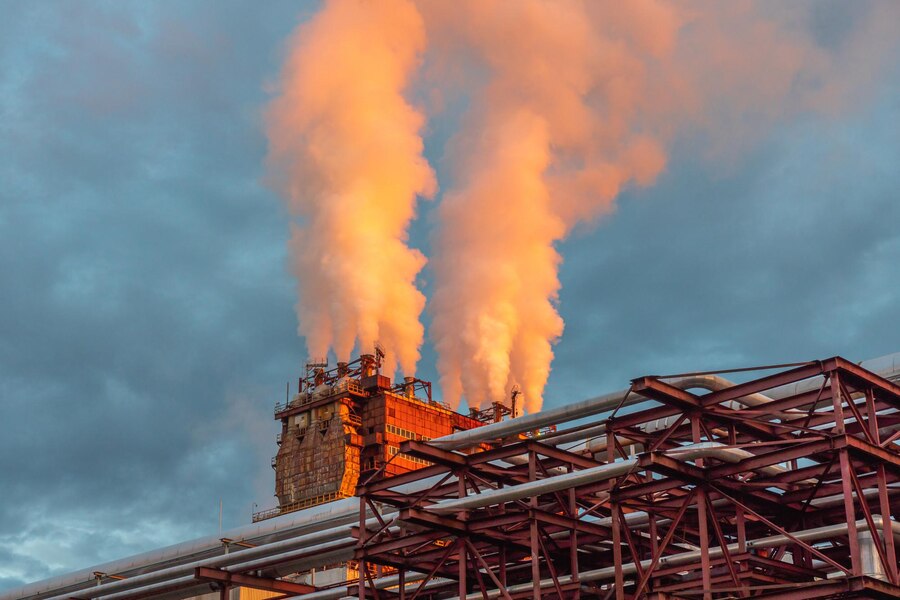
Power plants, with their complex machinery and volatile materials, pose inherent risks of fire outbreaks, jeopardizing not only operational continuity but also public safety and economic stability. Hence, implementing robust fire protection measures becomes imperative to mitigate such threats and ensure uninterrupted power supply. This blog delves into the pivotal role of fire protection systems in safeguarding these vital infrastructures, exploring innovative technologies and proactive strategies aimed at enhancing resilience in the face of fire-related emergencies.
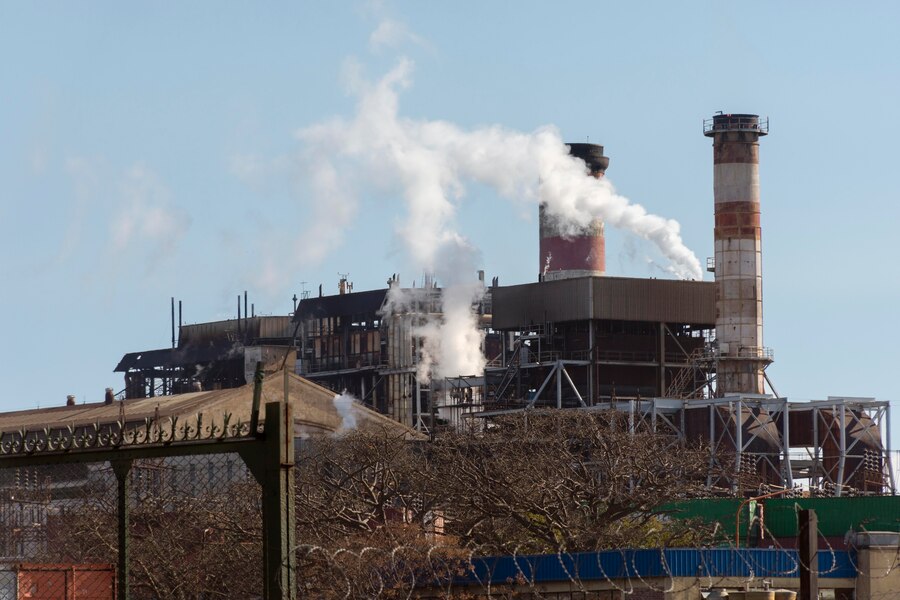
Understanding the Importance of Fire Protection in Power Plants
Understanding the critical importance of fire protection in power plants is paramount given the potential for catastrophic consequences stemming from fires within these facilities. Beyond posing an immediate threat to personnel safety and property, fires in power plants have far-reaching impacts, causing widespread power outages that disrupt essential services and affect communities on a large scale. Moreover, the financial losses resulting from equipment damage and operational downtime can be staggering, exerting significant economic repercussions.
Thus, investing in comprehensive fire protection measures transcends mere precautionary measures; it emerges as a strategic imperative aimed at safeguarding both human lives and critical infrastructure. By prioritizing robust fire prevention strategies, power plant operators can mitigate risks and ensure the uninterrupted operation of vital energy infrastructure.
Identifying Key Risks to Critical Infrastructure
In the realm of power plant operations, recognizing and addressing potential risks to critical infrastructure is paramount to ensuring safety and continuity. Understanding the specific vulnerabilities inherent in these facilities allows stakeholders to implement targeted mitigation strategies, minimizing the likelihood and impact of adverse events.
Electrical Malfunctions
Electrical malfunctions pose a significant risk to power plant infrastructure, potentially leading to short circuits, equipment failures, and ignition sources for fires. Regular inspections and maintenance of electrical systems are essential to identify and rectify issues before they escalate into emergencies.
Fuel Leaks
Fuel leaks represent another critical risk to power plant infrastructure, particularly in facilities utilizing combustible fuels such as natural gas or coal. Leakage can occur due to equipment malfunctions, corrosion, or human error, posing the threat of fire or explosion. Implementing robust leak detection systems and preventive maintenance measures is essential to mitigate this risk effectively.
Equipment Failure
Equipment failure, whether due to aging infrastructure, inadequate maintenance, or unforeseen mechanical issues, can disrupt power plant operations and compromise safety. Regular equipment inspections, performance monitoring, and proactive maintenance scheduling are essential to identify and address potential failure points, ensuring the reliability and resilience of critical infrastructure.
Essential Components of Effective Fire Protection Systems
Ensuring the effectiveness of fire protection systems in power plants necessitates a comprehensive approach that integrates various essential components. These components work in synergy to detect, suppress, and mitigate fires promptly, minimizing the potential impact on critical infrastructure and personnel safety.
- Fire Detection Devices: Smoke detectors, heat sensors, and flame detectors serve as the frontline defense in detecting signs of fire initiation.
- Early Warning Systems: Advanced technologies such as video flame detection and infrared thermal imaging provide early warnings, enhancing detection accuracy.
- Automatic Suppression Systems: Sprinkler systems, gaseous agents, foam, and dry chemical extinguishers swiftly suppress fires, limiting their spread and minimizing damage.
- Emergency Communication Systems: Integrated communication systems and evacuation procedures facilitate swift response and safe evacuation of personnel during fire emergencies.
Incorporating these essential components into fire protection systems ensures a proactive approach to mitigating fire hazards in power plants. By investing in reliable detection, suppression, and communication mechanisms, stakeholders can enhance the resilience of critical infrastructure and safeguard against the potentially devastating consequences of fire incidents.
Fire Detection: Early Warning Systems and Advanced Technologies
Fire detection systems in power plants are essential for providing early warnings of potential fire hazards, allowing for prompt response and mitigation. Traditional smoke detectors, heat sensors, and flame detectors remain fundamental components of these systems, capable of swiftly identifying signs of fire initiation.
However, advancements in technology have introduced innovative solutions such as video flame detection and infrared thermal imaging, enhancing detection accuracy and reducing false alarms. These advanced technologies offer greater sensitivity and reliability, enabling plant operators to detect fires in their incipient stages, thereby minimizing the risk of escalation and mitigating potential damage.
Fire Suppression Methods: Choosing the Right Approach
Selecting the appropriate fire suppression methods is critical in effectively managing fire incidents within power plants. Various suppression techniques, including water-based systems, gaseous agents, foam, and dry chemical extinguishers, are available, each tailored to address specific types of fires and environmental considerations. Water-based systems, such as sprinkler systems and water curtains, are commonly employed for their effectiveness in cooling and extinguishing fires involving combustible materials.
In contrast, gaseous suppression agents, such as carbon dioxide and clean agents, are preferred for their ability to rapidly suppress fires without leaving residue or causing collateral damage to sensitive equipment. By evaluating the unique requirements and challenges of the power plant environment, stakeholders can determine the most suitable suppression methods to ensure optimal fire protection outcomes.
Maintenance and Inspection Protocols for Fire Safety Equipment
Regular maintenance and inspection of fire safety equipment are imperative to ensure optimal performance and reliability in safeguarding against fire hazards within industrial environments.
- Scheduled Inspections: Regularly scheduled inspections are conducted by qualified personnel to verify the operational integrity and compliance of fire safety equipment with regulatory standards.
- Thorough Checks: Inspections encompass comprehensive checks of detection devices, suppression systems, and emergency response equipment to identify any issues and ensure proper functionality.
- Maintenance Activities: Routine maintenance activities, including cleaning, testing, and calibration, are performed to address identified issues and prevent equipment malfunction or failure.
- Compliance Documentation: Detailed documentation of maintenance and inspection activities is maintained to demonstrate compliance with regulatory requirements and industry standards.
Adhering to stringent maintenance and inspection protocols is essential to uphold the effectiveness and reliability of fire safety equipment, thereby mitigating the risk of fire-related incidents and ensuring the safety of personnel and assets within industrial facilities.

Training and Emergency Response Planning for Plant Personnel
Comprehensive training and emergency response planning are essential components of proactive fire protection strategies for power plants. Plant personnel must undergo regular training sessions to familiarize themselves with fire prevention protocols, evacuation procedures, and the operation of fire safety equipment. Additionally, emergency response drills and simulations should be conducted periodically to assess readiness and identify areas for improvement.
Moreover, designated emergency response teams should be established, comprising trained personnel equipped with the necessary skills and resources to coordinate swift and effective responses to fire incidents. By investing in training and preparedness initiatives, power plant operators can empower their workforce to respond confidently and efficiently in the event of a fire emergency, minimizing the potential impact on operations and safety.
Regulatory Compliance and Standards for Power Plant Fire Protection
Compliance with regulatory requirements and industry standards is paramount for ensuring the adequacy and effectiveness of fire protection measures in power plants. Regulatory agencies, such as the Occupational Safety and Health Administration (OSHA) and the National Fire Protection Association (NFPA), establish guidelines and standards governing fire safety practices, equipment installation, and emergency preparedness in industrial settings.
Power plant operators must remain vigilant in staying abreast of evolving regulations and standards, regularly reviewing and updating their fire protection strategies to align with current best practices. Moreover, engaging with regulatory authorities and industry stakeholders facilitates collaboration and knowledge-sharing opportunities, fostering a culture of continuous improvement in fire protection management within the power generation sector.
Lessons Learned and Best Practices in Fire Prevention
Reflecting on lessons learned and best practices in fire prevention is essential for enhancing safety and resilience in power plant operations. By examining past incidents and successful prevention initiatives, stakeholders can glean valuable insights to inform future strategies and mitigate risks effectively.
Root Cause Analysis
- Investigate the root causes of past fire incidents comprehensively.
- Identify underlying factors such as equipment malfunctions or human errors.
- Use findings to implement targeted preventive measures addressing root causes.
Continuous Training and Education
- Provide ongoing training to personnel on fire prevention protocols and procedures.
- Conduct regular drills and simulations to reinforce preparedness and response skills.
- Incorporate lessons learned from training exercises into improvement plans.
Enhanced Monitoring and Detection
- Utilize advanced monitoring technologies for early detection of fire hazards.
- Implement integrated systems for real-time monitoring of critical equipment and processes.
- Enhance sensor capabilities to detect subtle changes indicative of potential fire risks.
Collaborative Knowledge Sharing
- Foster collaboration among industry peers to share insights and best practices.
- Participate in forums, workshops, and industry conferences focused on fire prevention.
- Engage in information exchange with regulatory agencies and industry associations.
Learning from past experiences strengthens fire prevention, enhancing safety in power plants. Ongoing training, advanced tech, and collaboration mitigate risks, ensuring reliable operations.
Safeguarding power plants against fire hazards demands a multifaceted approach encompassing proactive risk assessment, robust fire protection systems, rigorous maintenance protocols, and comprehensive training initiatives. By prioritizing regulatory compliance, fostering a culture of safety, and leveraging lessons learned from past incidents, stakeholders can enhance resilience and mitigate the potential impact of fire emergencies on critical infrastructure and public safety.
For tailored fire safety solutions designed to meet your specific needs, contact FMC Fire System today. Our dedicated team is committed to delivering reliable and effective fire protection, ensuring peace of mind for you and your organization. Call us at (408) 661-3729 to discuss your requirements and schedule a consultation.