

Nonprofit organizations play a vital role in our communities, serving diverse needs ranging from healthcare to education, social services to environmental conservation. However, amid their noble missions and dedicated efforts, ensuring the safety of staff, volunteers, clients, and facilities often presents a challenge. One crucial aspect that demands attention is fire safety.
In this blog post, we delve into the critical issue of fire safety within nonprofit organizations. While these organizations operate on tight budgets and limited resources, neglecting fire safety measures can have devastating consequences. Therefore, it becomes imperative to strike a balance between fiscal responsibility and ensuring a safe environment.
Join us as we explore the intricacies of fire safety in the nonprofit sector, examining the unique challenges faced, the regulatory landscape, and practical strategies for implementing cost-effective yet robust fire safety protocols. Let’s navigate the path toward safeguarding both lives and missions, understanding that prioritizing safety is not just a legal obligation but a moral imperative for every nonprofit organization.

Importance of Fire Safety Awareness
Fire safety awareness is of utmost importance for nonprofit organizations, given the potential risks to staff, clients, and assets. A thorough understanding of fire hazards and preventive measures empowers individuals to respond promptly and effectively during emergencies, thereby minimizing injuries and property damage. Through comprehensive awareness campaigns, stakeholders are educated about essential fire safety protocols, evacuation procedures, and the critical role of early detection systems such as smoke alarms.
By fostering a culture of vigilance and preparedness among staff, volunteers, and clients, nonprofits can significantly decrease the likelihood of fire incidents and mitigate their associated impacts. Prioritizing fire safety awareness not only protects lives and property but also upholds the organization’s reputation and ensures continuity of its mission-driven activities.
Budget Constraints and Safety Priorities
Effective emergency response plans are essential for nonprofit organizations to mitigate the impact of fire incidents and ensure the safety of staff, clients, and assets. Best practices include:
- Clear Communication Channels: Establishing robust communication protocols ensures timely dissemination of critical information during emergencies, facilitating coordinated response efforts and minimizing confusion.
- Defined Roles and Responsibilities: Assigning specific roles and responsibilities to personnel clarifies expectations and ensures efficient utilization of resources during emergency situations, enhancing overall response effectiveness.
- Regular Training and Drills: Conducting frequent training sessions and emergency drills familiarizes staff with response procedures, reinforces essential skills, and promotes a culture of preparedness and vigilance.
- Continuous Plan Evaluation and Improvement: Regularly reviewing and updating emergency response plans based on lessons learned from drills, incidents, and feedback enables organizations to adapt to evolving threats and enhance response capabilities.
Legal Compliance and Regulatory Framework
Nonprofit organizations operate within a framework of legal obligations and regulatory standards regarding fire safety. Adhering to local building codes, fire prevention regulations, and occupational safety guidelines is paramount to mitigate legal liabilities and penalties. Beyond mere compliance, it underscores organizational responsibility and dedication to safeguarding stakeholders’ well-being. Proactively engaging with regulatory authorities and seeking expert guidance fosters a culture of accountability and ensures alignment with evolving legal requirements.
By diligently navigating the complex legal landscape, nonprofits demonstrate their commitment to fire safety while upholding their mission-driven objectives. Through continuous efforts to meet and exceed regulatory standards, these organizations prioritize the safety and security of their personnel, clients, and assets, fostering trust within the communities they serve.
Assessing Fire Risks in Nonprofit Settings
Nonprofit settings exhibit a diverse array of characteristics, from small community centers to large-scale facilities, each requiring a customized approach to assess fire risks effectively. This entails conducting thorough risk assessments that encompass identifying potential hazards, evaluating plausible fire spread scenarios, and scrutinizing vulnerabilities in infrastructure and operations.
Factors such as building construction materials, occupancy loads, the effectiveness of fire suppression systems, and the accessibility of emergency egress routes are meticulously analyzed to inform robust risk mitigation strategies. Engaging qualified professionals and adhering to standardized risk assessment methodologies ensure a comprehensive understanding of fire safety challenges. By leveraging expert insights and data-driven assessments, nonprofits can implement targeted interventions and enhance their preparedness to effectively respond to fire emergencies, safeguarding both lives and mission-critical assets.
Cost-Effective Fire Prevention Measures
Implementing cost-effective fire prevention measures is crucial for nonprofit organizations to mitigate risks within budgetary constraints. Some effective strategies include:
- Regular maintenance of electrical systems and appliances: Ensuring that wiring, outlets, and electrical appliances are inspected and maintained regularly can prevent potential fire hazards.
- Installing smoke alarms and fire extinguishers: Equipping facilities with smoke alarms and strategically placing fire extinguishers throughout the premises enhances early detection and containment of fire incidents.
- Implementing strict smoking policies: Enforcing designated smoking areas and educating staff and visitors about the risks of smoking near combustible materials reduces the likelihood of accidental fires.
- Conducting staff training on fire safety protocols: Providing comprehensive training on evacuation procedures, fire extinguisher use, and emergency response enhances staff readiness to handle fire emergencies effectively.
Training Staff for Emergency Preparedness
Effective emergency preparedness within nonprofit organizations relies heavily on the training and readiness of staff members. Comprehensive training programs play a pivotal role in educating personnel about crucial fire safety protocols, evacuation procedures, and the proper utilization of firefighting equipment. Regular drills and simulations are integral components, as they reinforce critical response skills and foster enhanced coordination among team members.
By empowering staff with the requisite knowledge and confidence to respond swiftly and effectively in emergencies, nonprofits can significantly mitigate the impact of fire incidents and ensure the safety and well-being of all stakeholders. Investing in ongoing training initiatives demonstrates a commitment to proactive risk management and underscores the organization’s dedication to safeguarding lives and assets.
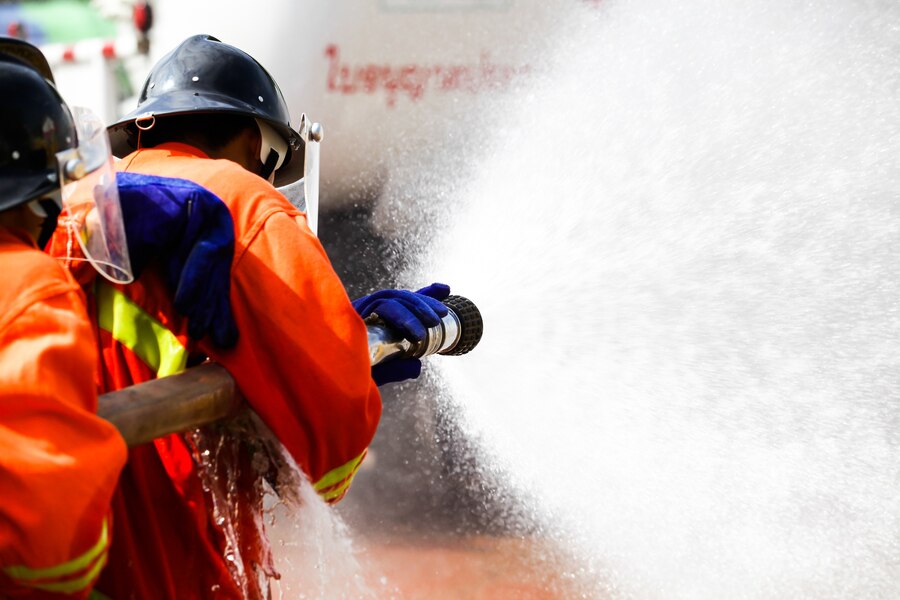
Collaborative Safety Partnerships
Nonprofit organizations can significantly bolster their fire safety initiatives by cultivating collaborative partnerships with pertinent stakeholders. This involves active engagement with local fire departments, emergency responders, and community organizations to foster a cohesive approach to risk mitigation. Through effective collaboration, these entities can share vital information, pool resources, and develop coordinated response strategies tailored to the unique needs of the community.
Collaborative endeavors, such as joint training exercises, mutual sharing of best practices, and participation in community awareness campaigns, serve to fortify the collective resilience against fire hazards. By tapping into the expertise and resources of external partners, nonprofits can amplify their capacity to address fire safety challenges comprehensively, ultimately enhancing the safety and well-being of their constituents and the broader community.
Emergency Response Plans: Best Practices
In developing emergency response plans, several best practices ensure an efficient and coordinated response to fire incidents:
- Clear Communication Channels: Establishing designated communication channels facilitates timely dissemination of information during emergencies, ensuring all stakeholders receive critical updates and instructions without delay. Effective communication is essential for coordinating response efforts and minimizing confusion.
- Defined Roles and Responsibilities: Assigning specific roles and responsibilities to individuals or teams clarifies expectations and streamlines decision-making processes during emergencies. Clearly delineated responsibilities ensure that each staff member knows their role in executing the emergency response plan, promoting swift and effective action.
- Regular Training and Drills: Conducting regular training sessions and emergency drills familiarizes staff with protocols and procedures, enhancing their readiness to respond effectively to fire incidents. Practice scenarios simulate real-life emergencies, enabling personnel to hone their skills and improve response times in a controlled environment.
- Accessibility of Emergency Resources: Ensuring easy access to emergency resources such as fire extinguishers, evacuation maps, first aid kits, and emergency contact information enhances the organization’s ability to respond promptly to fire emergencies. Strategic placement of resources minimizes response time and maximizes their effectiveness in mitigating potential risks.
- Continual Review and Improvement: Regularly reviewing and updating emergency response plans based on lessons learned from drills, incidents, and changing circumstances ensures their relevance and effectiveness. Continuous improvement initiatives enable organizations to adapt to evolving threats and enhance their overall preparedness for fire emergencies.
Leveraging Technology for Enhanced Safety
Nonprofit organizations can leverage technology to enhance their fire safety measures and improve response capabilities. Installing fire detection and suppression systems equipped with advanced sensors and monitoring capabilities enables early detection of potential hazards and prompt intervention.
Automated notification systems and remote monitoring platforms facilitate real-time alerts and coordination of emergency response efforts. Additionally, integrating smart technologies such as IoT-enabled devices and cloud-based analytics enhances situational awareness and enables data-driven decision-making for optimizing fire safety strategies.
Continuous Monitoring and Evaluation
Sustaining effective fire safety practices requires ongoing monitoring and evaluation of implemented measures. Regular inspections, audits, and performance assessments help identify areas for improvement and ensure compliance with established standards. Analyzing incident reports, near misses, and feedback from stakeholders informs adjustments to emergency response plans and training protocols. Continuous improvement initiatives foster a culture of vigilance and resilience, enabling nonprofit organizations to adapt to evolving fire safety challenges and maintain a proactive stance toward risk mitigation.
In conclusion, fire safety is a critical concern for nonprofit organizations, necessitating a proactive approach to mitigate risks and protect lives and assets. Despite budget constraints, prioritizing fire safety awareness, compliance with regulations, and cost-effective preventive measures is essential. By investing in staff training, collaborative partnerships, and leveraging technology, nonprofits can enhance their preparedness and response capabilities. Continuous monitoring and evaluation ensure the sustainability of fire safety practices, enabling organizations to adapt and evolve in the face of emerging challenges.
As you prioritize fire safety within your nonprofit organization, consider partnering with FMC Fire System for comprehensive solutions tailored to your specific needs. Our dedicated team is committed to delivering reliable and effective fire protection measures to safeguard your mission and stakeholders. Contact us today at (408) 661-3729 to discuss your fire safety requirements and explore how we can support your organization’s safety initiatives. Let’s work together to ensure a secure environment for everyone.