In the labyrinth of responsibilities that come with caregiving, ensuring the safety and well-being of those under your care stands as a paramount concern. While caregivers tirelessly attend to the physical, emotional, and medical needs of their charges, there’s one crucial aspect that often remains overlooked until it’s too late: fire safety.
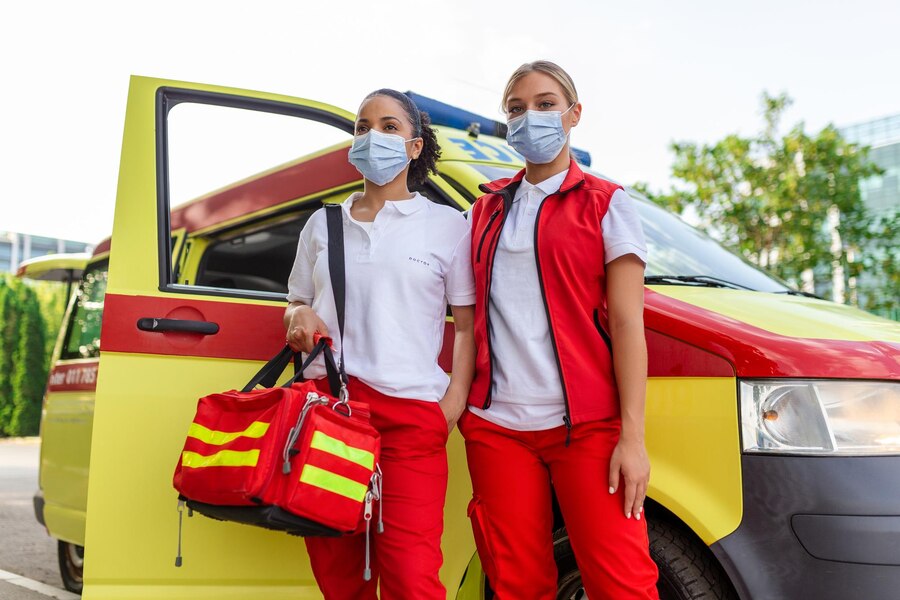
Fires can erupt suddenly and spread rapidly, leaving devastating consequences in their wake. However, for vulnerable populations such as the elderly, children, or individuals with disabilities, the threat posed by fires is exacerbated due to limited mobility, cognitive impairments, or difficulties in communication. In the face of such challenges, equipping caregivers with comprehensive fire safety training becomes not just a necessity but a moral imperative.
This blog delves into the critical importance of fire safety training for caregivers, exploring the unique vulnerabilities of those under their care and the proactive measures that can be taken to mitigate the risks of fire-related incidents. From understanding the specific needs of different demographics to implementing preventive strategies and emergency protocols, we’ll navigate through the essential components of safeguarding vulnerable populations in residential and caregiving settings.
Understanding Vulnerable Demographics
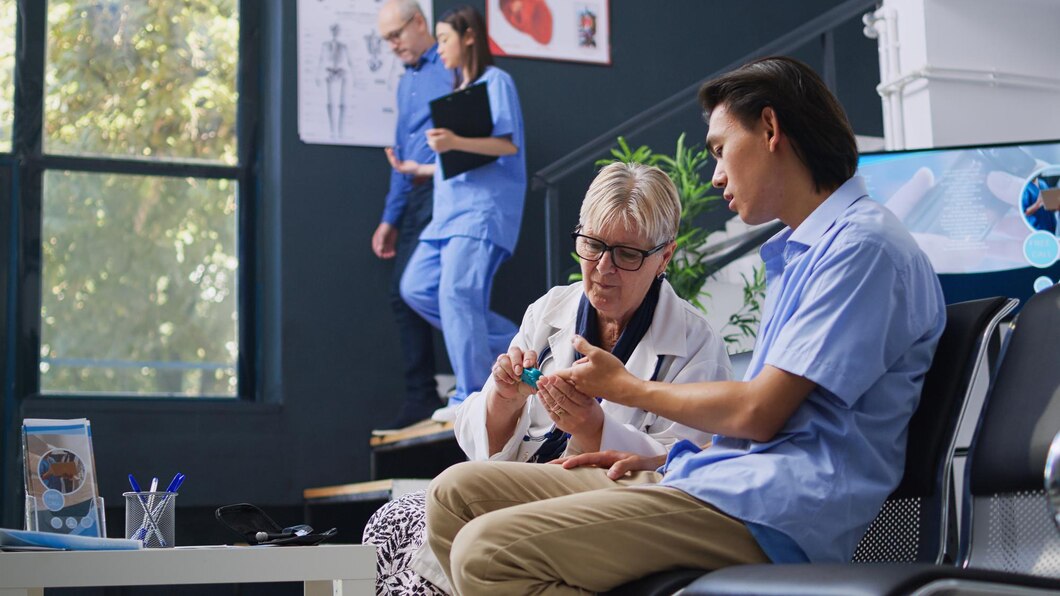
Caregivers are entrusted with the care of diverse demographics, ranging from the elderly to children and individuals with disabilities or medical conditions. Recognizing the unique challenges these groups face in responding to fire emergencies is imperative.
Each demographic requires tailored approaches to ensure their safety, making it essential for caregivers to understand their specific vulnerabilities. By comprehensively understanding these demographics, caregivers can develop targeted fire safety strategies that address individual needs, enhancing overall preparedness and ensuring the well-being of those under their care.
Identifying Fire Hazards in Care Settings
Identifying fire hazards in care settings is essential to ensure the safety of residents and staff. Careful assessment and mitigation of potential risks can prevent fire incidents and minimize harm. Some common fire hazards in care settings include:
- Faulty Electrical Wiring: Outdated or damaged electrical wiring poses a significant fire risk, leading to electrical malfunctions and potential ignition of nearby materials. Regular inspection and maintenance of electrical systems are crucial to prevent hazards.
- Cooking Appliances: Improper use or maintenance of cooking appliances, such as stoves and ovens, can result in kitchen fires. Unattended cooking, overheating, and grease buildup are common culprits. Implementing cooking safety protocols and proper ventilation can mitigate these risks.
- Combustible Materials: Presence of combustible materials like paper, fabrics, or chemicals increases the risk of fire spread. Cluttered storage areas or improper disposal of flammable substances pose hazards. Proper storage and disposal practices are essential to reduce the likelihood of fire incidents.
- Smoking Areas: Designated smoking areas pose fire risks due to discarded cigarette butts, matches, or embers. Improperly managed smoking areas increase the likelihood of ignition and fire spread. Implementing strict smoking policies and providing safe disposal options can mitigate these risks.
- Heating Systems: Malfunctioning heating systems, such as furnaces or space heaters, can lead to fires if not properly maintained or monitored. Overheating, electrical faults, or blocked vents are common issues. Regular inspection and servicing of heating equipment are necessary to ensure safe operation and prevent fire hazards.
Training in Fire Detection and Response
Caregivers must possess the knowledge and skills to detect and respond to fire emergencies swiftly and effectively. Training programs should cover topics such as fire detection methods, alarm systems, evacuation procedures, and proper utilization of firefighting equipment. By ensuring that caregivers are well-trained in fire safety protocols, care facilities can enhance their preparedness and ability to mitigate the impact of fire incidents on vulnerable populations. Comprehensive training empowers caregivers to respond confidently and decisively in the face of fire emergencies, protecting lives and minimizing damage.
Tailoring Safety Protocols for Specific Needs
Tailoring safety protocols for specific needs is crucial in ensuring the comprehensive protection of individuals under care, particularly vulnerable populations with diverse requirements.
- Developing personalized evacuation plans ensures every individual’s safe exit during emergencies, accounting for mobility limitations and medical conditions.
- Implementing communication aids such as visual cues or assistive technologies facilitates understanding and response, especially for individuals with hearing impairments or cognitive disabilities.
- Providing alternative fire response methods, considering factors like mobility limitations or medical conditions, ensures that every individual can effectively participate in emergency procedures.
- Offering specialized training to caregivers equips them with the necessary skills to address unique needs and challenges, enhancing overall preparedness and responsiveness.
Communication Strategies During Emergencies
During emergencies, effective communication is paramount to ensure the safety of all individuals involved. Caregivers must establish clear and concise communication channels to relay important information promptly and comprehensively. This may include utilizing various communication methods to accommodate different needs and preferences, ensuring that everyone receives critical instructions and updates in a timely manner.
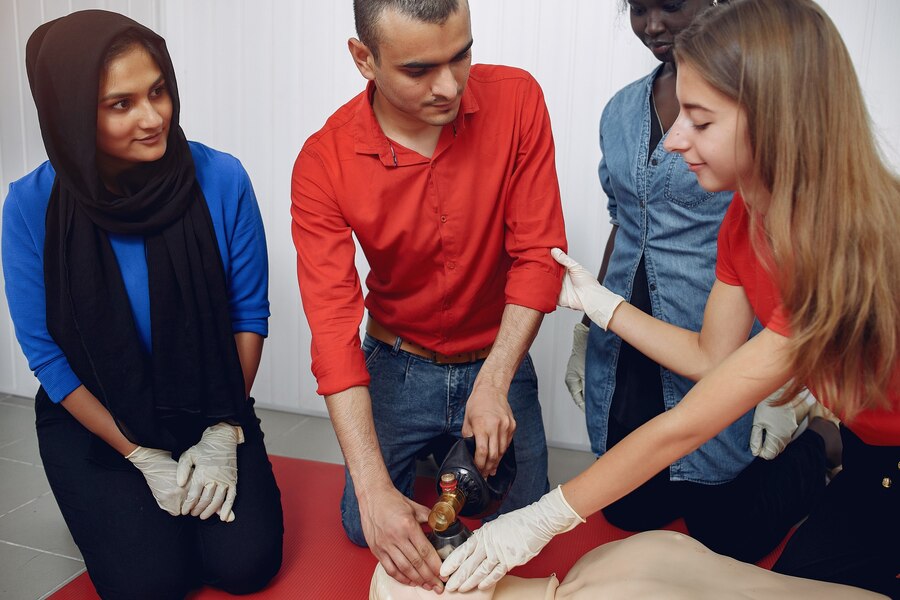
- Use visual cues such as signs or diagrams to convey important information to individuals with hearing impairments or language barriers, ensuring they can understand and respond appropriately during emergencies.
- Implement a buddy system where individuals are paired up to assist each other in communication and evacuation, fostering a sense of support and collaboration during stressful situations.
- Utilize simple and easy-to-understand language when providing instructions or conveying emergency information, ensuring clarity and comprehension for all individuals, including those with cognitive disabilities.
- Incorporate assistive technologies such as text messaging or emergency alert systems to disseminate information quickly and efficiently, reaching individuals who may not be within immediate proximity or unable to hear verbal instructions.
- Conduct regular drills and training sessions to practice communication strategies and familiarize individuals with emergency protocols, ensuring swift and coordinated responses in real-life situations.
Mobility Challenges and Evacuation Plans
Individuals with mobility impairments face unique challenges during fire evacuations, necessitating careful planning and consideration from caregivers. Evacuation plans must account for different mobility levels, ensuring accessible routes, evacuation assistance, and designated assembly points.
Implementing strategies such as evacuation chairs, mobility aids, or trained staff can facilitate the safe and timely evacuation of individuals with mobility impairments, reducing the risk of injury or harm during emergencies. Addressing mobility challenges ensures that everyone can evacuate efficiently and safely in the event of a fire.
Fire Prevention Measures for Caregivers
Prevention is fundamental to minimizing the risk of fire incidents in care settings. Caregivers should undergo training to identify potential fire hazards and adopt proactive measures to prevent fires from occurring.
This includes implementing fire-safe practices such as proper storage of flammable materials, regular maintenance of electrical systems, and adherence to cooking safety guidelines. By promoting a culture of fire prevention, caregivers can significantly reduce the likelihood of fire-related emergencies, ensuring the safety and well-being of those under their care.
Ensuring Accessibility to Safety Equipment
During emergencies, effective communication is paramount to ensure the safety of all individuals involved. Clear and concise communication channels help relay crucial information and instructions promptly, minimizing confusion and maximizing response efficiency. Here are some key communication strategies to consider:
- Utilize visual cues: Incorporate visual aids such as signs, symbols, or diagrams to convey emergency instructions clearly and quickly to individuals with hearing impairments or language barriers.
- Employ simple language: Use straightforward and easy-to-understand language when communicating instructions during emergencies to ensure comprehension by all individuals, including those with cognitive disabilities or limited English proficiency.
- Establish communication protocols: Define specific channels and methods for communicating emergency information, such as designated communication devices or communication boards, to ensure consistent and reliable communication among caregivers and residents.
- Utilize assistive technologies: Leverage assistive technologies such as text-to-speech apps, communication apps, or personal emergency response systems to facilitate communication and enable individuals with disabilities to seek assistance or convey important information during emergencies.
Collaboration with Emergency Services
Caregivers should establish collaborative partnerships with local emergency services to enhance their response capabilities during fire incidents. This may involve coordinating evacuation plans, conducting joint training exercises, or developing communication protocols for emergencies.
By working closely with fire departments and other first responders, caregivers can ensure a coordinated and efficient response to fire emergencies, prioritizing the safety and well-being of vulnerable populations. Collaborative efforts between caregivers and emergency services optimize emergency response efforts, minimizing the impact of fire incidents and safeguarding those under their care.
Continuous Education and Refresher Courses
Fire safety training should be an ongoing process for caregivers, with regular education and refresher courses to reinforce knowledge and skills. Continuous training ensures that caregivers remain up-to-date on fire safety best practices, emergency procedures, and any advancements in technology or regulations.
By investing in ongoing education, care facilities can foster a culture of preparedness and vigilance, empowering caregivers to effectively protect the individuals under their care from the threat of fire. Continuous education and refresher courses ensure that caregivers are equipped with the latest information and skills, enabling them to respond effectively to fire emergencies and ensure the safety of vulnerable populations.
In conclusion, fire safety training for caregivers is not just a professional obligation but a moral imperative, especially when caring for vulnerable populations. By understanding the unique needs of those under their care, identifying potential fire hazards, and implementing tailored safety protocols, caregivers can significantly reduce the risk of fire incidents and ensure the well-being of their charges. Collaboration with emergency services and continuous education further enhances preparedness and responsiveness. Together, these efforts create a safer environment for vulnerable individuals and provide peace of mind for caregivers and their families.
Take proactive steps to enhance fire safety in your care setting today. Partner with FMC Fire System for comprehensive fire safety solutions tailored to your specific needs. Contact us at (408) 661-3729 to schedule a consultation with our experienced team. Prioritize the safety and well-being of those under your care with reliable fire protection solutions from FMC Fire System.