

As urban landscapes evolve and architectural marvels rise, there’s a silent narrative woven within the fabric of cities – the tale of aging buildings. These structures, often steeped in history and character, stand as a testament to bygone eras. Yet, alongside their charm comes a pressing concern: fire safety.
In an era where stringent regulations and modern standards govern construction, aging buildings often find themselves at odds with contemporary safety norms. From outdated electrical systems to insufficient fire suppression mechanisms, these architectural relics pose a significant risk to inhabitants and surrounding areas.
In this blog, we delve into the critical importance of upgrading fire safety measures in aging buildings to meet modern standards. We explore the challenges posed by outdated infrastructure, the potential consequences of neglecting safety upgrades, and the proactive steps building owners and communities can take to mitigate fire hazards effectively.
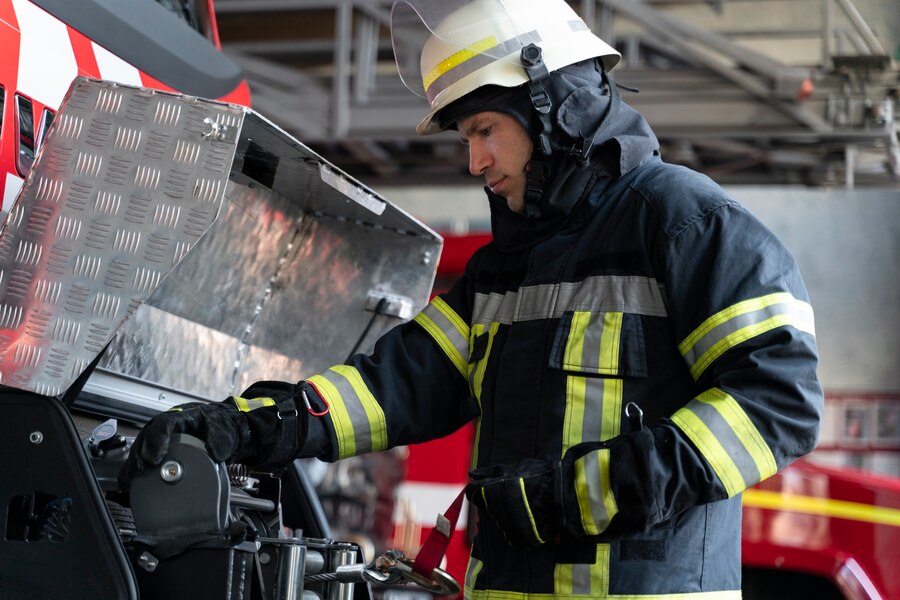
Historical Charm vs. Modern Safety
Preserving the historical charm of aging buildings while ensuring modern safety standards is a delicate balancing act. These structures often boast intricate architectural details and cultural significance, making them valuable assets to communities. However, they may lack the fire safety features expected in contemporary constructions.
Striking a balance between maintaining historical integrity and implementing necessary safety upgrades is paramount. It requires careful planning, expertise, and collaboration between building owners, preservationists, and safety experts to find solutions that honor the past while safeguarding the present and future.
Assessing Fire Risks in Older Buildings
Understanding the unique fire risks associated with older buildings is crucial for effective safety planning. These structures may have outdated wiring, flammable building materials, or compromised fire barriers, increasing the likelihood of fire spread and intensification.
Conducting thorough fire risk assessments involves evaluating factors such as building materials, occupancy types, fire protection systems, and historical usage. Identifying vulnerabilities allows stakeholders to prioritize safety measures and allocate resources effectively, minimizing the potential for fire-related incidents and maximizing occupant safety.
Electrical System Upgrades
Upgrading the electrical systems in aging buildings is a fundamental step in enhancing fire safety. Many older structures are equipped with outdated wiring, overloaded circuits, and inadequate grounding, posing significant fire hazards. Retrofitting electrical systems involves replacing obsolete components, installing modern wiring, and incorporating safety devices such as circuit breakers and ground fault interrupters.
By modernizing electrical infrastructure, building owners can reduce the risk of electrical fires and ensure compliance with current safety standards, enhancing overall fire resilience.
Implementing Advanced Fire Suppression
In aging buildings, the implementation of advanced fire suppression systems is paramount for effectively mitigating fire risks. Traditional fire extinguishers and sprinkler systems often fall short in providing sufficient protection against rapidly spreading fires or emergencies in high-rise structures.
By incorporating modern suppression technologies like automatic fire sprinklers, smoke detection systems, and fire-resistant materials, these buildings can significantly enhance their capacity to contain and extinguish fires promptly. Such proactive measures not only minimize property damage but also safeguard occupants, ensuring their safety during fire incidents. Moreover, these advancements contribute to an overall improvement in the building’s fire safety readiness, offering peace of mind to both residents and property owners alike.
Structural Integrity Checks
Conducting thorough structural integrity checks is essential for identifying potential fire safety hazards in aging buildings. Structural deterioration, compromised load-bearing elements, and inadequate fire resistance can significantly undermine a building’s ability to withstand fire incidents.
Engaging structural engineers to assess the integrity of load-bearing walls, columns, and support structures helps identify weaknesses and prioritize reinforcement measures. Strengthening structural integrity enhances the building’s resilience to fire-induced collapse, ensuring occupant safety and structural stability during emergencies.
Compliance with Building Codes
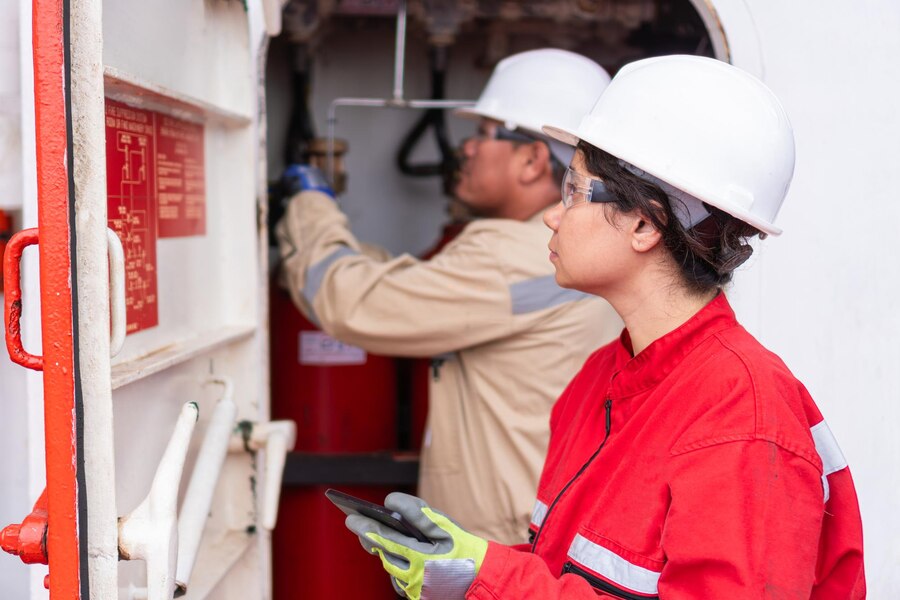
Ensuring aging buildings adhere to current building codes is pivotal for enhancing fire safety. Building codes are dynamic frameworks that evolve to address contemporary safety standards. Compliance involves meticulous assessments, updates, and retrofitting to align structures with the latest regulations.
- Thorough Assessments: It is essential to conduct meticulous evaluations of building structures, systems, and materials to pinpoint non-compliance areas and potential hazards accurately. These assessments provide critical insights into areas that require attention and enable proactive measures to enhance overall safety and compliance.
- Code Updates Implementation: Regularly integrating the latest building code revisions and amendments into existing structures is paramount. This ensures that buildings stay abreast of new safety requirements and standards, thereby minimizing risks and maintaining compliance with evolving regulations to safeguard occupants and properties effectively.
- Occupancy Evaluations: Assessing the building’s current usage and occupancy patterns is crucial for aligning it with safety guidelines. By conducting thorough evaluations, adjustments can be made to provisions to accommodate changes in occupancy, ensuring that safety measures remain relevant and effective for the building’s occupants.
- Accessibility Standards: Verifying compliance with accessibility standards is vital to ensure inclusivity and safety for all individuals. By accommodating diverse mobility needs and disabilities, buildings can provide equitable access to facilities and services, fostering a supportive and inclusive environment for occupants and visitors alike.
- Fire Prevention Protocols: Implementation and enforcement of fire prevention measures outlined in building codes are essential for mitigating fire risks. This includes utilizing fire-resistant materials, establishing adequate egress requirements, and developing robust emergency evacuation plans to protect lives and property in the event of a fire emergency.
Community Engagement in Safety
Engaging the community in fire safety initiatives fosters a culture of awareness, preparedness, and collaboration. In aging buildings, community involvement plays a vital role in identifying safety concerns, disseminating information about fire risks, and promoting proactive measures.
Establishing neighborhood watch programs, conducting fire drills, and organizing safety workshops empower residents to recognize hazards, report concerns, and support collective efforts to enhance fire resilience. By fostering a sense of shared responsibility, communities can create safer environments for all occupants and mitigate the impact of fire incidents.
Retrofitting for Fire Prevention
Retrofitting for fire prevention involves implementing proactive measures to minimize fire hazards and enhance safety in aging buildings. This may include:
- Installing fire-resistant materials: Utilizing materials that are designed to withstand high temperatures and inhibit the spread of flames can significantly reduce the risk of fire-related damage and injuries. These materials, such as fire-rated doors, walls, and insulation, create barriers that slow down the progression of fires, allowing occupants more time to evacuate safely.
- Upgrading doors and windows: Retrofitting older buildings with fire-rated doors and windows enhances compartmentalization and prevents the rapid spread of smoke and flames. These upgrades create effective barriers that help contain fires within localized areas, limiting property damage and facilitating safer evacuation routes for occupants.
- Enhancing compartmentalization: Dividing building spaces into smaller compartments with fire-rated walls and floors helps contain fires to their area of origin, preventing them from spreading throughout the structure. Retrofitting aging buildings with compartmentation measures improves overall fire safety by minimizing the potential for fire propagation and reducing the risk of structural collapse.
- Improving ventilation systems: Retrofitting ventilation systems with smoke control measures, such as smoke detectors, dampers, and fans, helps manage smoke movement during a fire incident. By controlling the spread of smoke, these upgrades enhance visibility, improve air quality, and facilitate safer evacuation procedures for building occupants.
Preservation Without Compromise
Preservation Without Compromise: Balancing the preservation of historical buildings with modern safety standards requires innovative solutions that respect both heritage and safety imperatives. It involves integrating fire safety measures seamlessly into the fabric of aging structures while preserving their unique character and architectural significance.
- Incorporating discreet fire-resistant materials maintains the historical integrity of the building while enhancing its ability to withstand fire incidents.
- Implementing non-invasive retrofitting techniques minimizes structural alterations, preserving the original design and aesthetics of the structure.
- Collaborating with preservationists and fire safety experts ensures that safety upgrades are implemented in a manner that respects the historical context and significance of the building.
- Prioritizing passive fire protection measures such as compartmentalization and fire-resistant barriers minimizes the visual impact on the building’s interior and exterior.
- Integrating modern fire detection and suppression systems discreetly into the building’s architecture enhances safety without detracting from its historical charm and authenticity.
Ensuring Safety for Generations
Ensuring the long-term safety of aging buildings requires a holistic approach that considers ongoing maintenance, periodic assessments, and continuous improvements. Fire safety measures must evolve alongside changing building conditions, occupancy patterns, and regulatory standards to remain effective over time.
Implementing robust maintenance protocols, conducting regular inspections, and investing in proactive upgrades are essential for preserving safety for current and future generations. By prioritizing fire safety as a core aspect of building management, stakeholders can uphold the legacy of aging structures while safeguarding the well-being of occupants and communities for years to come.
In conclusion, addressing fire safety concerns in aging buildings is not merely a matter of compliance but a moral imperative to protect lives, preserve heritage, and uphold community resilience. By recognizing the unique challenges posed by these structures and embracing proactive measures, we can navigate the delicate balance between historical preservation and modern safety standards. Together, we can ensure that aging buildings continue to enrich our urban landscapes without compromising the safety and well-being of occupants and communities.
At the FMC Fire System, we understand the importance of prioritizing fire safety in aging buildings. Our dedicated team specializes in providing tailored fire protection solutions to address the specific needs of your property. Whether you require electrical system upgrades, advanced fire suppression installations, or structural integrity assessments, we are here to help. Contact us today at (408) 661-3729 to learn more about how we can enhance the safety of your building and protect what matters most. Let’s work together to safeguard lives and preserve heritage for generations to come.